

Jaxen Vane
A cultural forecaster and digital archivist based in London. With a background in semiotics and a closet full of 1998 radio station promos, Jaxen tracks the intersection of internet memes and high-street fashion.
Published: March 15, 2026 | 10 min read | Last updated: March 15, 2026
Vintage Graphic Tees in 2026: Why Meme Culture is Winning the Fashion War
The secondhand apparel market is on track to hit $110 billion by 2033 and right now, a single faded Nirvana tee from 1992 is fetching more on Grailed than some brand-new designer pieces. That's not a glitch in the fashion matrix. That's the vintage graphic tee having its biggest moment yet. In 2026, the convergence of nostalgia culture, meme aesthetics, and a collective exhaustion with fast fashion has turned the humble graphic t-shirt into the most loaded garment in any wardrobe. Whether you're a Gen Z creator sourcing on Depop, a brand trying to decode what's actually selling, or a marketer wondering why your "clean" aesthetic campaign keeps flopping this article will show you exactly what's driving the surge, what it means culturally, and what comes next.
⚡ Quick Answer
Vintage and meme graphic tees are dominating 2026 fashion because they offer authenticity, cultural identity, and humor in an era that's fatigued by fast fashion and algorithmic aesthetics. Gen Z treats them as wearable cultural commentary a signal of taste, tribe, and wit that no algorithm can manufacture.
The Numbers Don't Lie: What the Data Says About the 2026 Vintage Tee Obsession
Start with the resale market, because that's where authentic demand lives. A Spreadshirt study that analysed over 84,000 band and music tee listings on resale platforms found that vintage Nirvana tees average $278 per sale and the most coveted pieces, like the Grateful Dead "Panther" shirt, command up to $2,750 for an original. These aren't collector anomalies. They're a signal that physical, story-laden garments carry cultural capital that new mass-market apparel simply cannot replicate.
📊 Key Stat: The secondhand apparel market was valued at $47.53 billion in 2024 and is projected to reach $110.26 billion by 2033, growing at a compound annual rate of 9.8% — with vintage tees among the most consistently sought-after categories. (SkyQuestt Research, 2025)
Meanwhile, TikTok data from Spreadshirt's research showed a 34% surge in posts using the #Thrift hashtag in the US over a 12-month period a direct pipeline from social content to secondhand purchasing behaviour. The platform doesn't just reflect trends; it manufactures demand cycles at velocity. A single "thrift haul" video featuring a 1994 Metallica tour tee can add $40 to average Depop prices overnight.

Why Do Vintage Tees Hit Different? The Psychology Behind the Fade
There's something semiotic happening when someone wears a sun-bleached 1998 radio station promo tee in 2026. The garment doesn't just communicate "I like this band." It communicates: I know something you don't. The faded print, the single-stitch hem, the slightly too-stiff collar these are authenticity markers that mass production actively struggles to fake, even with "distressed" washes and intentional cracking effects.
I've spent years tracking exactly this. When a friend wore an original Earth, Wind & Fire concert tee to a gallery opening in Shoreditch last year, the number of people who stopped to ask about it far outpaced reactions to any "statement" piece from the room. The tee did what no runway piece could: it anchored a conversation about taste, time, and cultural memory. That's the real currency here not nostalgia for nostalgia's sake, but the use of clothing as a semaphore for insider knowledge.
"Globally, fashion in 2026 is less about rigid labels or one defining aesthetic and more about fluid self-expression, mixing personal references depending on mood, context, or community."
Voyer's framing matters. What she's describing is a post-aesthetic era one where the value of a garment isn't its rarity in the traditional luxury sense, but its legibility within a subculture. Vintage graphic tees are the ultimate legibility test. They sort rooms instantly. They say: this person has taste and context.
The "Authenticity in an AI World" Effect
There's a counter-reaction happening to AI-generated everything. As design analysis from DTFil in 2026 noted, the resurgence of graphic tees is partly driven by "a global desire for authenticity in an increasingly AI-driven world people are looking for human touches, distorted textures, hand-drawn illustrations, and surrealist imagery that provokes thought." In that context, a tee with a cracked screen-print from 1996 isn't just clothing. It's provably human-made, pre-algorithm, irreplicably real. That's a flex nobody expected the humble band tee to pull off.
From Meme to Merch: How Internet Culture Colonised the T-Shirt
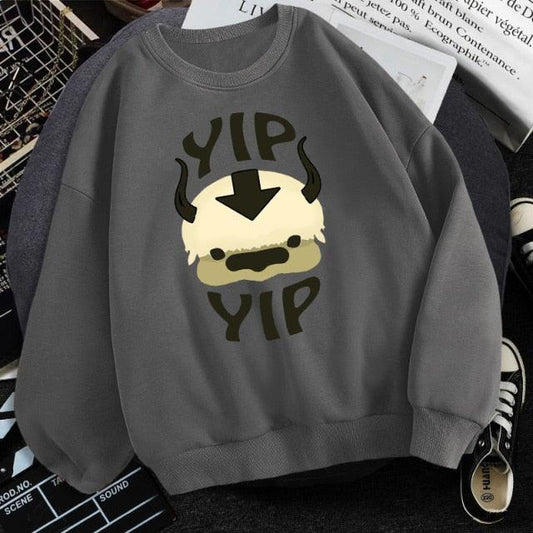
The meme graphic tee operates on a different but equally powerful logic. Where vintage tees signal temporal literacy "I know my cultural history" meme tees signal real-time internet fluency. They're a timestamp. A shirt featuring a specific piece of internet ephemera from six months ago is already a relic; wear it in 2027 and it becomes vintage in its own right. The cycle has compressed dramatically.
As one cultural analysis of Gen Z fashion habits put it well: "A viral meme today can appear on a tee tomorrow, allowing wearers to literally stay in step with cultural conversation." This is the graphic tee functioning as a real-time newsticker a wearable RSS feed for internet culture.
📊 Key Stat: Gen Z now holds over $360 billion in spending power globally, with a significant portion directed toward fashion and self-expression items like graphic tees and personalised apparel. (AestheticBK, 2026)
The "Quiet Reference" Phenomenon
One of the more interesting evolutions in meme-driven tee design is what design analysts are calling the "quiet reference" designs that don't explain themselves. No caption. No context box. Just the image or phrase, raw and unadorned. Closet Apparel's 2026 trend report calls this one of the most defining graphic tee shifts of the year: "One of the most defining t-shirt design trends 2026 is the refusal to explain references. People enjoy wearing something that not everyone understands. It creates a sense of quiet belonging rather than mass appeal."
This is the tee as secret handshake. It's the reason that hyper-niche internet references deep-cut subreddit jokes, obscure TikTok sound callbacks, references that would confuse anyone born before 1990 make for stronger fashion statements than broad, legible memes. The narrower the reference, the tighter the tribe it identifies. And tight tribe identification is exactly what fashion is increasingly about for this generation.
Is Buying a Vintage Tee Actually an Anti-Fast-Fashion Statement?
Here's where it gets genuinely interesting and a little complicated. The obvious reading is yes: choosing a secondhand or vintage garment over a newly produced one reduces demand for new manufacturing, which is environmentally better by most metrics. That argument holds. But there's a second layer.
As resale markets grow and they're growing at approximately 32% annually the economics of thrifting have changed. A savvy reseller buying cheap at charity shops and marking up 400% on Depop is technically circular economy behaviour, but it also prices out the low-income buyers who traditionally relied on those same charity shops. The vintage tee trend has created a secondary market that operates more like a commodities exchange than a sustainable fashion movement.
The more honest framing is that for most Gen Z buyers, the anti-fast-fashion identity is part of the appeal of vintage but it's not the whole story. The authenticity, the aesthetic, the cultural knowledge signal these matter at least as much. The sustainability angle is a permission structure that makes the purchase feel virtuous, but the desire is primarily for the garment's cultural load.
💡 Pro Tip: If you're building a brand in this space, lead with the cultural story of the design — not just the sustainability angle. Buyers already know thrifting is "good." What they want is a reason to feel smart about the specific piece they're buying.
What Graphic Tee Styles Are Actually Selling in 2026?
If you're designing or curating, here's the practical breakdown of what's moving in 2026 — based on trend data from Printful, Bonfire, Closet Apparel, and DTFil's market reports.
| Design Style | Why It's Working | Key Audience |
|---|---|---|
| Authentic Vintage Band Tees | Original prints, faded textures, provably pre-algorithm | Collectors, fashion-literate Gen Z |
| Y2K Graphic Revival | Nostalgia + futurism, bold colour palettes, chrome aesthetics | Gen Z, young Millennials |
| Quiet Reference / Niche Meme | Insider culture, no-explanation aesthetic, tribe signalling | Internet-native Gen Z |
| Maximalist Typography | Oversized text, distorted fonts, wraps around the torso | Streetwear buyers, brand-aware shoppers |
| Hand-Drawn Illustration | Anti-AI aesthetic, imperfect lines, human-made provenance | Art-adjacent buyers, sustainability-conscious |
| 90s Kitsch Revival | Cartoons, ironic imagery, pastels, knowing self-awareness | Millennials, nostalgic Gen Z |
What's Not Selling (And Why)
Generic slogans with no subculture hook. Brand logos with no cultural story attached. Over-explained jokes with the punchline written on the shirt. In 2026, as Closet Apparel's trend data shows, "humour has become more personal people prefer tees that feel quietly clever rather than performative." The era of the LOL tee from a resort gift shop is genuinely over. The era of the tee that makes exactly twelve people in the world laugh loudly is very much in.

For Creators and Brands: How to Ride This Wave Without Wiping Out
The worst thing a brand can do right now is manufacture nostalgia badly. Gen Z can smell a cynical retro rebrand from across a festival field. The successful brands from small Depop sellers to indie print-on-demand labels are the ones that approach vintage and meme aesthetics with genuine cultural literacy, not as a marketing strategy deployed from a PowerPoint slide.
Here's what's actually working for independent creators and small labels in 2026:
- Specific over broad: A tee referencing a specific 2003 MTV2 countdown slot will outperform a generic "retro vibes" design every time. The specificity is the point.
- Story-first product pages: Explain the cultural reference, the design history, or the meme origin. Buyers who know the reference will feel validated; buyers who don't will feel educated and inducted. Both reactions drive purchase.
- Distressed is earned, not manufactured: If you're doing a "vintage wash" design, the effect needs to be a convincing facsimile of real age not a half-hearted grey filter. Buyers are now sophisticated enough to clock the difference.
- Limited drops, not permanent catalogues: The scarcity mechanic matters. Vintage tees are valuable partly because of their irreplaceability. Your designed-to-look-vintage tee should borrow that logic.
- Community over algorithm: The best-performing graphic tee brands of 2026 are building actual communities Discord servers, niche newsletters, Substack deep-dives rather than chasing SERP or FYP placement as a primary strategy.
⚠️ Important: Do not license popular meme characters or internet IP without explicit permission. The meme-to-merch pipeline has been hit hard by intellectual property claims in 2025–2026. Build original iconography that references internet aesthetics rather than directly reproducing protected images or characters.
Frequently Asked Questions
Why are vintage graphic tees so popular in 2026?
Vintage graphic tees combine cultural authenticity, nostalgia signalling, and an anti-fast-fashion identity that resonates strongly with Gen Z and young Millennials in 2026. They communicate taste and cultural literacy in a way mass-produced, algorithm-optimised fashion cannot replicate.
Are meme graphic tees a sustainable fashion trend or a passing fad?
The broader graphic tee trend is structural rather than cyclical — rooted in identity expression and internet culture fluency that aren't going away. Specific memes become dated quickly, but the format of wearing cultural references as fashion is now a permanent fixture of Gen Z self-expression.
What makes a vintage band tee valuable on resale platforms?
Rarity, authentic aging (faded prints, single-stitch hems, original manufacturing tags), cultural relevance of the band, and the decade of production all affect resale value. Nirvana, Grateful Dead, and Red Hot Chili Peppers tees consistently top resale charts, with rare originals fetching $1,000 to $2,750 on platforms like Grailed and Depop.
How do I start selling graphic tees that appeal to Gen Z buyers in 2026?
Focus on specific cultural references rather than broad aesthetics, use distressed or hand-drawn visual treatments that feel authentically human, tell the story behind each design, and release in limited drops to leverage scarcity. Platforms like Depop, TikTok Shop, and Instagram remain primary discovery channels for this demographic.
What's the difference between vintage-inspired and authentic vintage graphic tees?
Authentic vintage tees are original garments from their era usually identified by single-stitch construction, specific screen-print inks, and original brand tags. Vintage-inspired tees replicate the aesthetic using distressing techniques and retro graphics. Both have market demand, but authentic originals command far higher resale premiums among knowledgeable buyers.
The Bottom Line
The vintage and meme graphic tee isn't trending in 2026 because of some cyclical fashion revival algorithm. It's trending because it solves a specific cultural problem: how do you signal authentic taste, real cultural knowledge, and a rejection of disposable aesthetics all in a single, wearable object that costs less than a restaurant dinner? The answer, for an increasing number of young buyers, is a faded tee with a reference that only some people get.
For brands and creators, the opportunity here is real but it demands genuine cultural literacy, not performative nostalgia. The buyers who are driving this market are the same people who can spot a cynical retro rebrand in three seconds flat. Earn the reference. Tell the story. Keep the run small. The rest follows.
Explore Aprasi's curated collection of graphic tees built for people who actually know the references shop Aprasi.com.
📚 Sources & References
- Secondhand Apparel Market Size & Growth Report — SkyQuestt Research, 2025
- Most Valuable Vintage Band Tees Study (84,000+ listings) — Spreadshirt, 2024
- Gen Z Fashion Trends 2026: Noémie Voyer, Trend Analytics Platform — Marie Claire, January 2026
- The Rise of Bold Artwork: Graphic T-Shirt Trends Dominating in 2026 — DTFil, February 2026
- Graphic T-Shirt Design Trends That Are Dominating In 2026 — Closet Apparel India, March 2026
- Ten Reasons Why Graphic Tees Are a Big Hit with Gen Z — OnlyTeez, 2025
- Top Gen Z Fashion Trends 2026 — AestheticBK, January 2026
- Gen X Fashion Trends: Nostalgic Styles Making a 2026 Comeback — Styling Outfits, March 2026
- The '80s Graphic Tee Trend Is Winning Me Over Again in 2026 — Marie Claire, February 2026
- 24 Popular T-Shirt Design Trends for 2026 — Bonfire, March 2026