


Realistic Safari Cub Plush - Tiger Cub, Lion & Leopard Stuffed Animal | Lifelike Big Cat Plushies
Realistic Safari Cub Plush - Tiger Cub, Lion & Leopard Stuffed Animal | Lifelike Big Cat Plushies
Auf Lager
- Kostenloser Versand
- 30 Tage Rückgaberecht (AGB gelten)
- Kundenbetreuung
Verfügbarkeit für Abholungen konnte nicht geladen werden
Realistic Safari Cub Plush - Tiger Cub Plushies, Lion Plushie & Leopard Cub Stuffed Animal
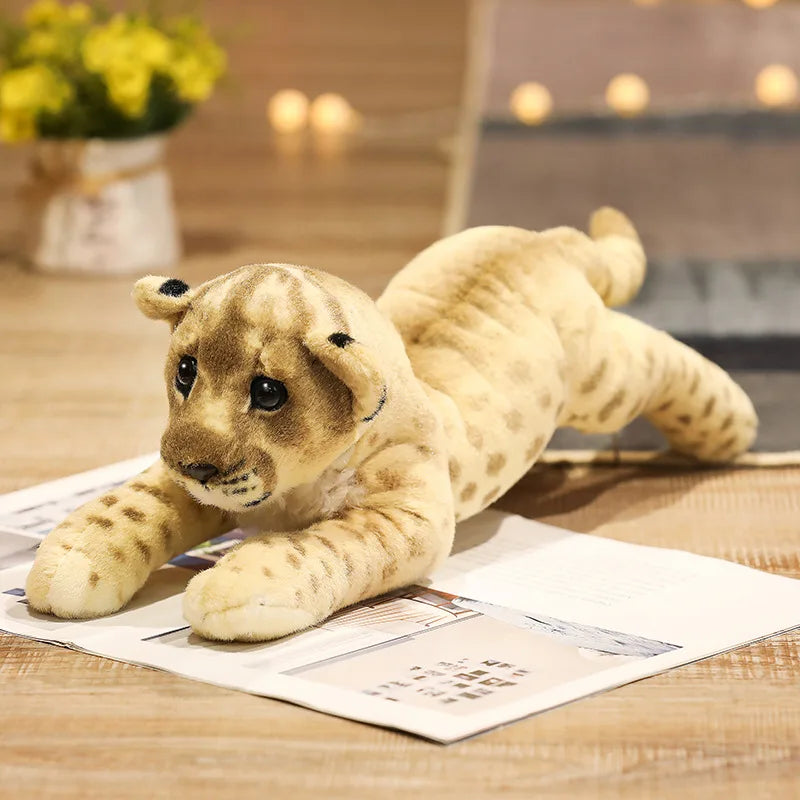
Bring the untamed beauty of the savanna home with these breathtakingly lifelike safari cub stuffed animals. Whether you choose the fierce-yet-adorable tiger cub plushies, the regal lion plushie, or the elegantly spotted leopard cub stuffed animal, each piece captures every stripe, rosette, and tuft with stunning accuracy. These are not ordinary plush toys: they are immersive, tactile wildlife experiences designed for collectors, wildlife fans, and anyone who wants to keep the spirit of the wild close.
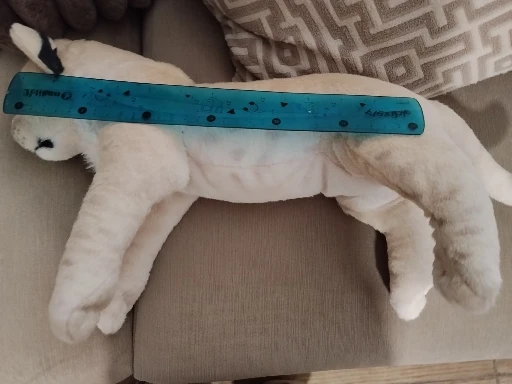
Crafted from premium cotton with a generous PP cotton filling, each big cat cub plush strikes the perfect balance between realistic appearance and huggable softness. Posed in a natural resting or playful position, these cubs double as striking safari-themed room decor and deeply comforting cuddle companions. Available in three heights - 39cm, 48cm, and 58cm - they suit everything from a child's bedroom shelf to a collector's display cabinet.
Meet the Cubs: A Closer Look at Each Wild Cat Stuffed Animal
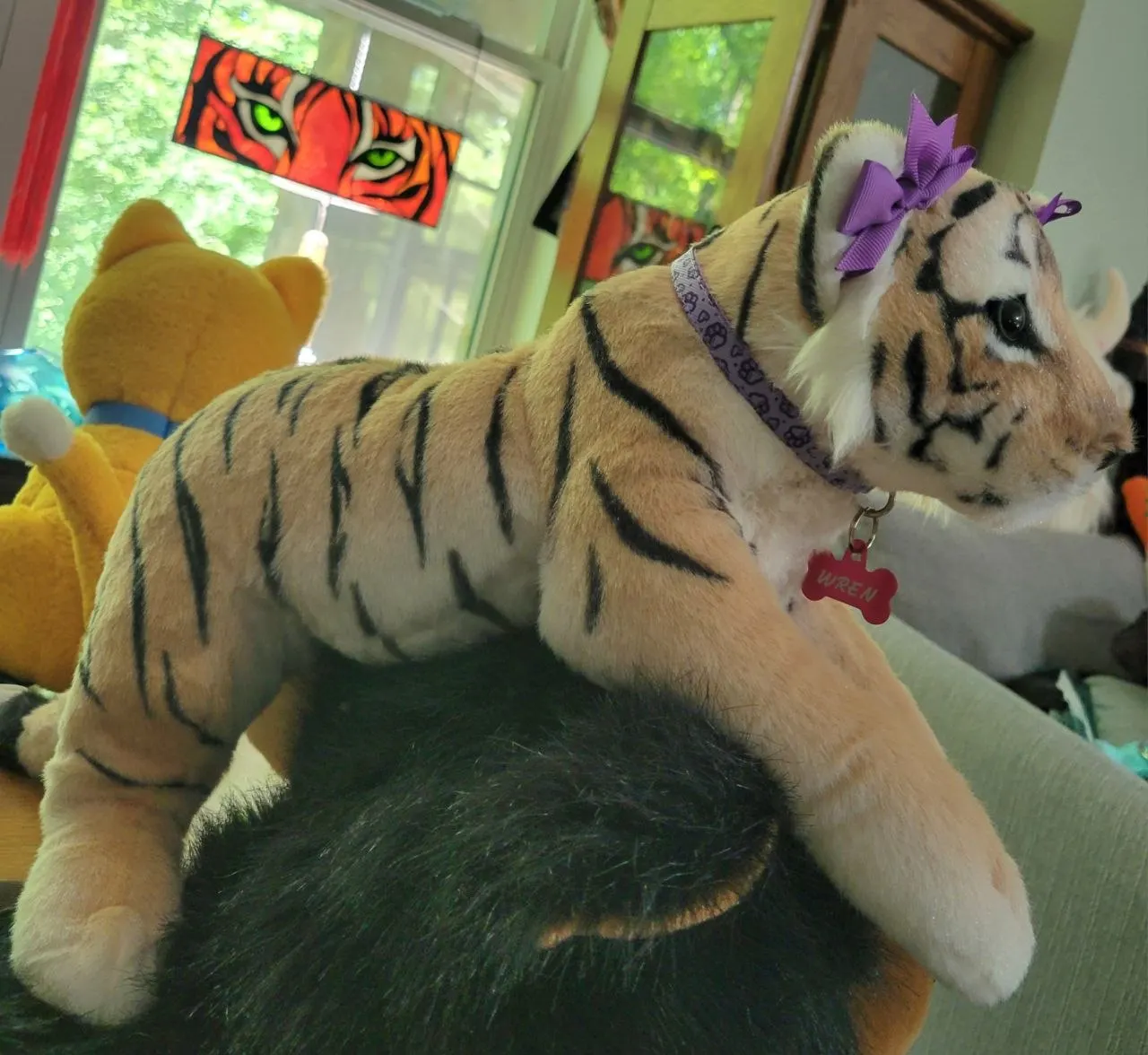
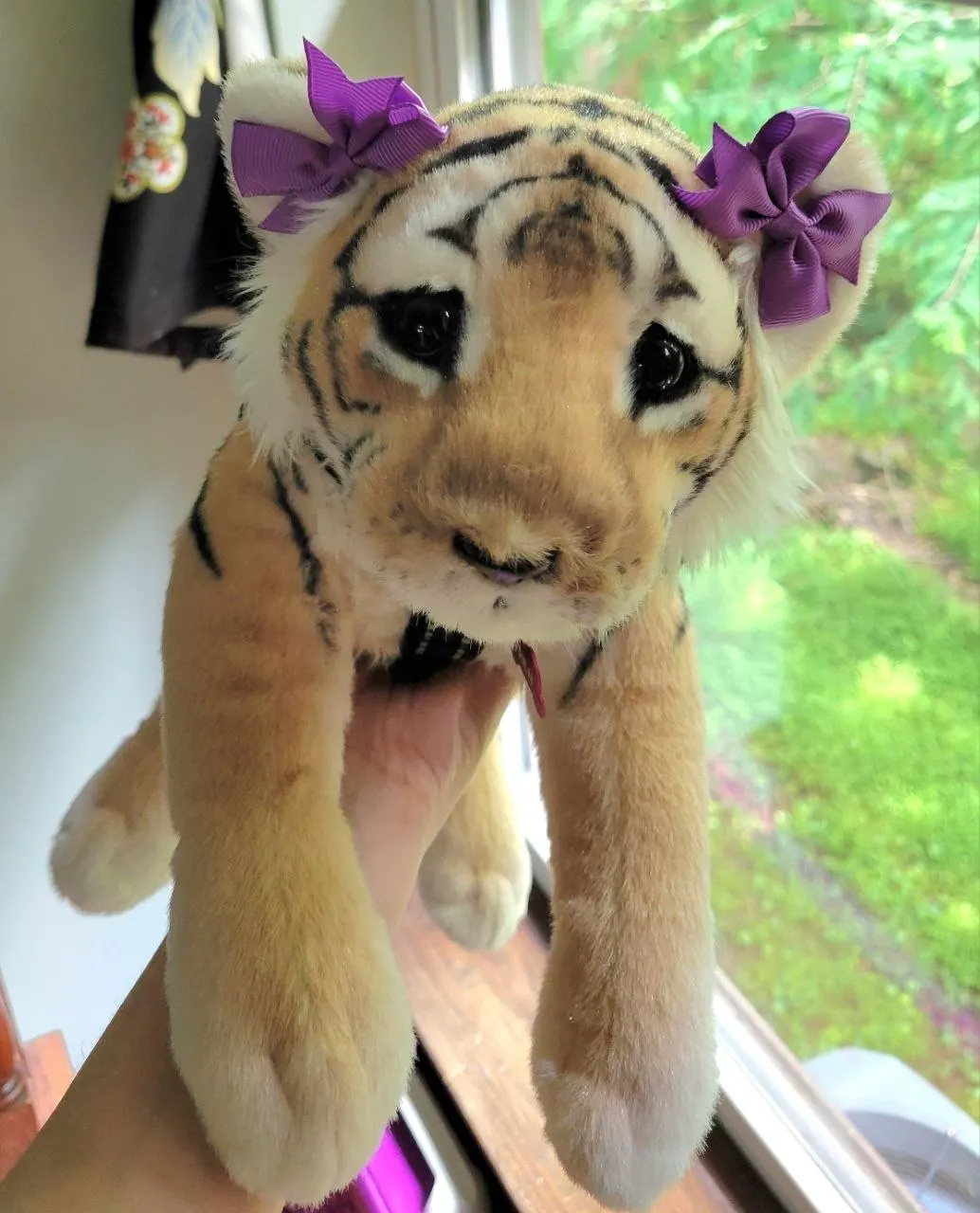
The Tiger Cub Plushies
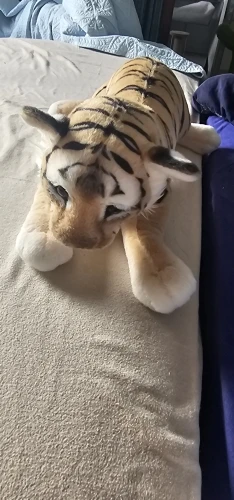
The Bengal tiger is the largest of the world's big cats and one of the most recognizable animals on Earth. Tiger cubs are born blind and weigh barely a kilogram at birth, spending their first weeks tucked safely in a den before their iconic orange-and-black striped coats fully develop. Our tiger cub plushies translate that early-life magic into a huggable, display-worthy form, with meticulously rendered stripes, velvety textured cotton, and wide, expressive eyes that mirror the innocent wonder of a real cub. These realistic tiger plush toys are a go-to gift for tiger lovers of every age.
The Lion Plushie
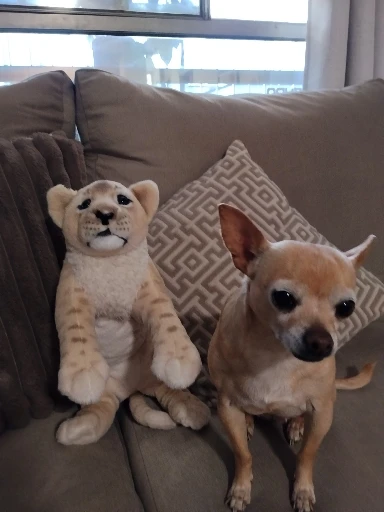
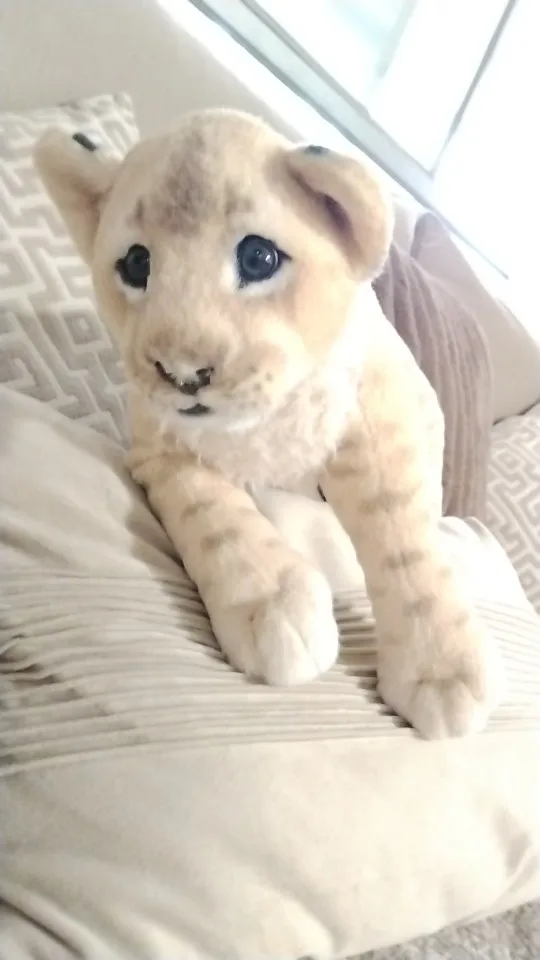
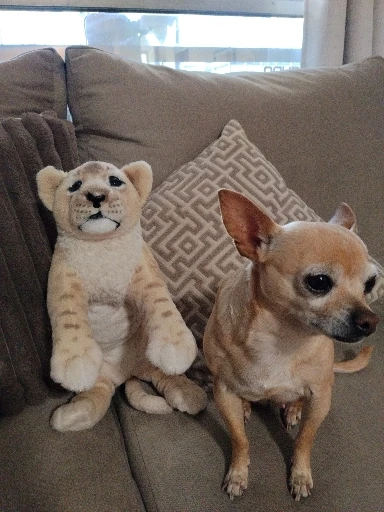
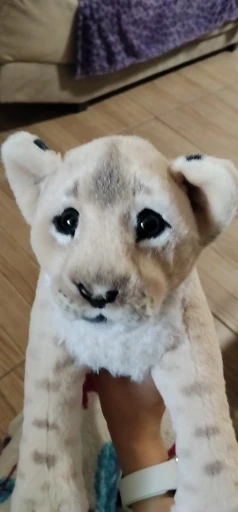
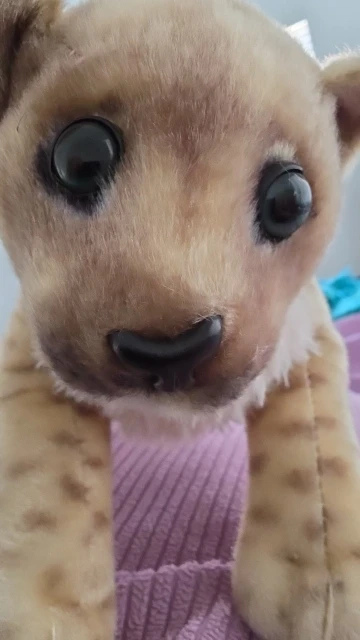
Lions have been symbols of royalty, courage, and might in cultures spanning ancient Egypt, medieval Europe, and Sub-Saharan Africa. A lion cub in the wild is playful and curious, relying entirely on the pride for protection during its first year of life. Our lion plushie channels that warmth and vulnerability into a soft, golden-toned cotton design with delicate facial detailing and the characteristic rounded ears of a young cub. This lion cub stuffed animal is equally at home as a nursery accent or a cherished plush collectible on an adult's shelf.
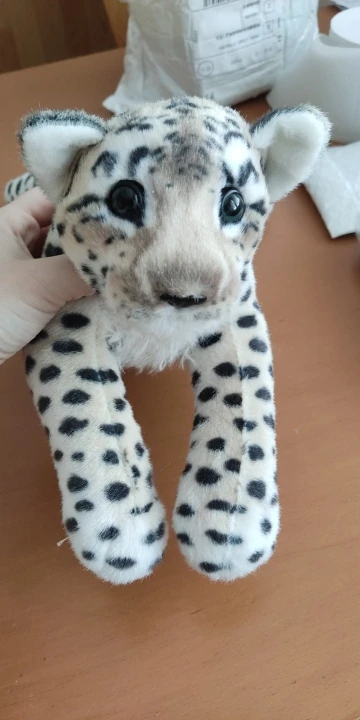
The Leopard Cub Stuffed Animal
The leopard is the most elusive and adaptable of the big cats, ranging from the rainforests of Central Africa to the mountains of Central Asia. Leopard cubs are born with barely visible rosette markings that deepen as they grow, making each individual coat pattern entirely unique. Our leopard cub stuffed animal honors that natural artistry with individually rendered rosette detailing, a creamy-golden base coat, and a curious, alert expression. It is a standout piece among lifelike animal plushies and a must-have for fans of these spotted wonders.
Product Highlights
- Highly realistic big cat cub design - Tiger, Lion, and Leopard options, each with species-accurate markings and expressions
- Premium cotton outer material - Soft, durable, and gentle against skin for all ages
- PP cotton filling - Plump, resilient stuffing that holds its shape through years of hugging and display
- Three available heights - Choose from 39cm, 48cm, or 58cm to suit every shelf, bed, or gifting need
- Dual-purpose design - Works beautifully as both a hugging plush pillow and a safari-themed room decor accent
- Suitable for all ages - From toddlers to adult collectors who love realistic animal plushies
- Thoughtful gift choice - Perfect for birthdays, wildlife enthusiasts, nursery decor, and collectors of lifelike animal plushies
- Detailed facial sculpting - Expressive eyes, defined muzzles, and accurate ear shapes on every cub
- Safari-themed decor appeal - Pairs beautifully with nature-inspired and animal-themed interior styles
Origin of the Big Cat Cub as a Beloved Icon
The fascination with big cat cubs runs deep in human history. In ancient Mesopotamia, lions were kept as symbols of royal power, and their cubs appeared in art as representations of innocence and untamed potential. The tiger held sacred status across much of Asia, revered in Hindu mythology as the mount of the goddess Durga and in Chinese tradition as a guardian spirit. The leopard, meanwhile, was associated with agility and cunning across African and Middle Eastern cultures, its spotted pelt adorning the clothing of chiefs and warriors.
In modern culture, the trend of realistic wild animal plush toys surged alongside a global rise in wildlife documentary viewership in the 2010s. Productions showcasing the early lives of lion cubs on the African savanna, or a tiger mother guiding her cubs through dense Indian jungle, generated hundreds of millions of views worldwide. This connection between vivid wildlife storytelling and the tactile desire to "hold" these creatures fueled enormous demand for high-realism stuffed big cats. Conservation campaigns raising awareness about endangered tiger and leopard populations further deepened emotional investment in these animals, making big cat cub plush toys both a comfort item and a subtle nod to wildlife advocacy.
Today, searches for tiger cub plushies, lion cub stuffed animals, and leopard cub plush toys rank consistently among the top wildlife toy queries globally, driven by gift shoppers, interior decorators seeking safari-themed accents, and collectors building curated displays of lifelike animal plushies.
Size Guide
These safari cub stuffed animals are available in three heights: 39cm, 48cm, and 58cm. Select your preferred height using the variant selector above.
| Size Option | Height | Best For |
|---|---|---|
| Small | 39 cm (approx. 15 in) | Desk or shelf display, travel companion, starter gift |
| Medium | 48 cm (approx. 19 in) | Bedroom accent, hugging plush, children's companion |
| Large | 58 cm (approx. 23 in) | Statement display piece, dedicated cuddle pillow, collector centerpiece |
Care Instructions
Keeping Your Safari Cub Stuffed Animal Looking Its Best
- Surface clean only - Use a damp cloth with mild soap to spot-clean soiled areas. Do not submerge in water.
- Air dry thoroughly - Always allow the plush to air dry completely before returning it to display or use. Avoid direct sunlight during drying to prevent color fading.
- Do not machine wash or tumble dry - Machine washing can distort the shape and damage the realistic detailing of your big cat cub plush.
- Fluff periodically - Gently massage and reshape the PP cotton filling by hand if it flattens after extended use.
- Store away from moisture - Keep in a cool, dry environment when not on display to preserve the material quality.
- Supervise young children - Recommended for children aged 3 and above. Always supervise toddlers during play.
FAQ: Big Cats - Cubs, Conservation & Wild Facts
Yes, tigers remain classified as endangered by the IUCN. As of 2025, there are estimated to be fewer than 4,000 wild tigers remaining globally, distributed across 13 range countries including India, Russia, Indonesia, and Bangladesh. India has seen encouraging progress through Project Tiger, a long-running government initiative that has helped increase tiger populations in protected reserves such as Jim Corbett and Ranthambore. Internationally, organizations like WWF and Panthera continue to fund anti-poaching patrols, habitat corridor creation, and community-based conservation programs. Despite these efforts, habitat loss, human-wildlife conflict, and illegal poaching remain serious threats. Awareness campaigns and wildlife media have played a significant role in driving public support and donor funding for tiger conservation, making these big cats one of the most recognized symbols of the global wildlife protection movement.
Lion cubs typically remain with their mother for approximately 18 to 24 months. During this time, they learn essential hunting skills by observing adult females and participating in increasingly complex group hunts. Communal cub-rearing is one of the most distinctive aspects of lion social behavior: females in a pride will nurse and care for each other's cubs, meaning a litter benefits from multiple attentive adults rather than a single mother. Young male lions usually leave or are expelled from the pride by the dominant male between ages 2 and 3, forming nomadic bachelor groups before eventually challenging for pride leadership. Female cubs, by contrast, often stay within their birth pride for life, inheriting territories and maintaining the social structure across generations. This cooperative upbringing is one reason lions are considered the most socially complex of all the big cats.
Leopards and jaguars are often confused because both have spotted coats featuring rosette patterns, but there are clear differences. Leopards are native to Africa and Asia, while jaguars are found exclusively in the Americas. Jaguars are significantly stockier and more muscular, built for ambushing prey at close range, while leopards are slender and agile, well-known for hauling heavy prey up into trees to protect it from scavengers. The rosette markings differ too: jaguar rosettes are larger and typically contain small spots or dots inside them, while leopard rosettes are smaller, more densely packed, and generally solid-edged without interior markings. As cubs, both species are born with faint, barely visible coat markings that deepen as they mature. Leopard cubs also tend to have a slightly grayer base coat compared to the warmer gold tones seen in jaguar cubs. The Amur leopard, a critically endangered subspecies found in Russia and China, is currently one of the rarest big cats in the world, with conservation efforts in 2025 focusing heavily on protecting its remaining habitat.
Tiger stripes serve as camouflage, helping cubs blend into the dappled light and shadow of dense forest undergrowth while they are still too young to defend themselves. The pattern is determined by the distribution of pigment cells in the skin and is unique to each individual tiger, much like a human fingerprint. No two tigers carry exactly the same stripe arrangement. There are currently six recognized tiger subspecies, each with slightly different stripe density, coat color, and body size: the Bengal tiger, Amur (Siberian) tiger, Sumatran tiger, Malayan tiger, South China tiger, and Indochinese tiger. White tigers, which are the result of a rare genetic mutation producing reduced pigmentation, still carry stripes, though they appear in cream or pale gray against the white coat. White tigers are not a separate subspecies but are frequently featured in wildlife media, contributing to the enduring public fascination with these distinctive big cats.
All three big cat species begin life entirely dependent on their mother's milk. Lion cubs start sampling meat at around three months old, introduced to kills made by the pride's adult females. Full weaning typically occurs by six months, though cubs continue to rely on the pride for food until they are old enough to participate in hunts around one year of age. Tigers follow a similar pattern, with mothers bringing live or injured prey to their cubs from around three to four months old, allowing the young cats to practice pouncing and catching techniques in a low-risk setting. Leopard cubs are introduced to solid food a little earlier, given that their solitary mother must provide for them alone without pride support. By around 12 to 18 months, leopard cubs begin accompanying their mother on hunts, gradually taking on a more active role. All three species are fully independent hunters by roughly two years of age, though they continue to refine technique throughout their lives.


Wird oft zusammen gekauft
-
Toothless Dancing Meme Plush 25cm | Night Fury Black & Light Fury White | How to Train Your Dragon Stuffed Animal
Normaler Preis $52.95 AUDNormaler PreisStückpreis pro$0.00 AUDVerkaufspreis $52.95 AUD -
Cursed Plankton Meme Plush Squeaker Keychain | Screaming Face Bag Charm 12cm
Normaler Preis $47.25 AUDNormaler PreisStückpreis pro$0.00 AUDVerkaufspreis $47.25 AUD -
Giant Realistic Giant Realistic Snake Plush 120cm | Python Stuffed Animal Body Pillow and Prank Toy in 6 Colors
Normaler Preis $73.25 AUDNormaler PreisStückpreis pro$0.00 AUDVerkaufspreis $73.25 AUD -
Lifelike British Shorthair Cat Plush 30cm | Realistic Stuffed Animal | Yellow Gray Black White
Normaler Preis $53.95 AUDNormaler PreisStückpreis pro$0.00 AUDVerkaufspreis $53.95 AUD


Vorgeschlagene Blogbeiträge:
Alle anzeigen-

How to Get the Mimic Hoodie in The Hollow Event...
Get the free Mimic Hoodie in Roblox The Hollow: full Animal Hospital quest route, Hazmat NPC, slime photos, slide puzzle and how to claim it
How to Get the Mimic Hoodie in The Hollow Event...
Get the free Mimic Hoodie in Roblox The Hollow: full Animal Hospital quest route, Hazmat NPC, slime photos, slide puzzle and how to claim it
-

How To Get All Day 6 Prizes in The Hollow Roblo...
Get every Day 6 prize in Roblox The Hollow: solve the Floor 6 cauldron, clear the Banana Eats cake hunt, and finish both Animal Hospital shifts.
How To Get All Day 6 Prizes in The Hollow Roblo...
Get every Day 6 prize in Roblox The Hollow: solve the Floor 6 cauldron, clear the Banana Eats cake hunt, and finish both Animal Hospital shifts.
-

Banana Eats Lolwen Guide: Get the Item, Badge A...
Get the Lolwen item, badge and 10 tickets in Banana Eats. Full Hollow Key, cake slice and Floor 6 maze steps for The Hollow event.
Banana Eats Lolwen Guide: Get the Item, Badge A...
Get the Lolwen item, badge and 10 tickets in Banana Eats. Full Hollow Key, cake slice and Floor 6 maze steps for The Hollow event.
-

How To Get ALL 27 TICKET QUEST BADGES in The Ho...
Roblox The Hollow event guide: every badge quest, fast ticket tips and mistakes to avoid for all 27 games before the event ends November 2.
How To Get ALL 27 TICKET QUEST BADGES in The Ho...
Roblox The Hollow event guide: every badge quest, fast ticket tips and mistakes to avoid for all 27 games before the event ends November 2.


Verifizierte Google-Rezensionen
Das sagen unsere Kunden