


Cute Lying Animal Plushies 30cm | Lifelike Baby Forest & Jungle Stuffed Toys
Cute Lying Animal Plushies 30cm | Lifelike Baby Forest & Jungle Stuffed Toys
En existencias
- Free Shipping
- 30 Days Return(T&C applies)
- Customer Support
No se pudo cargar la disponibilidad de retiro
Cute Lying Animal Plushies 30cm | Realistic Baby Forest and Jungle Stuffed Toys
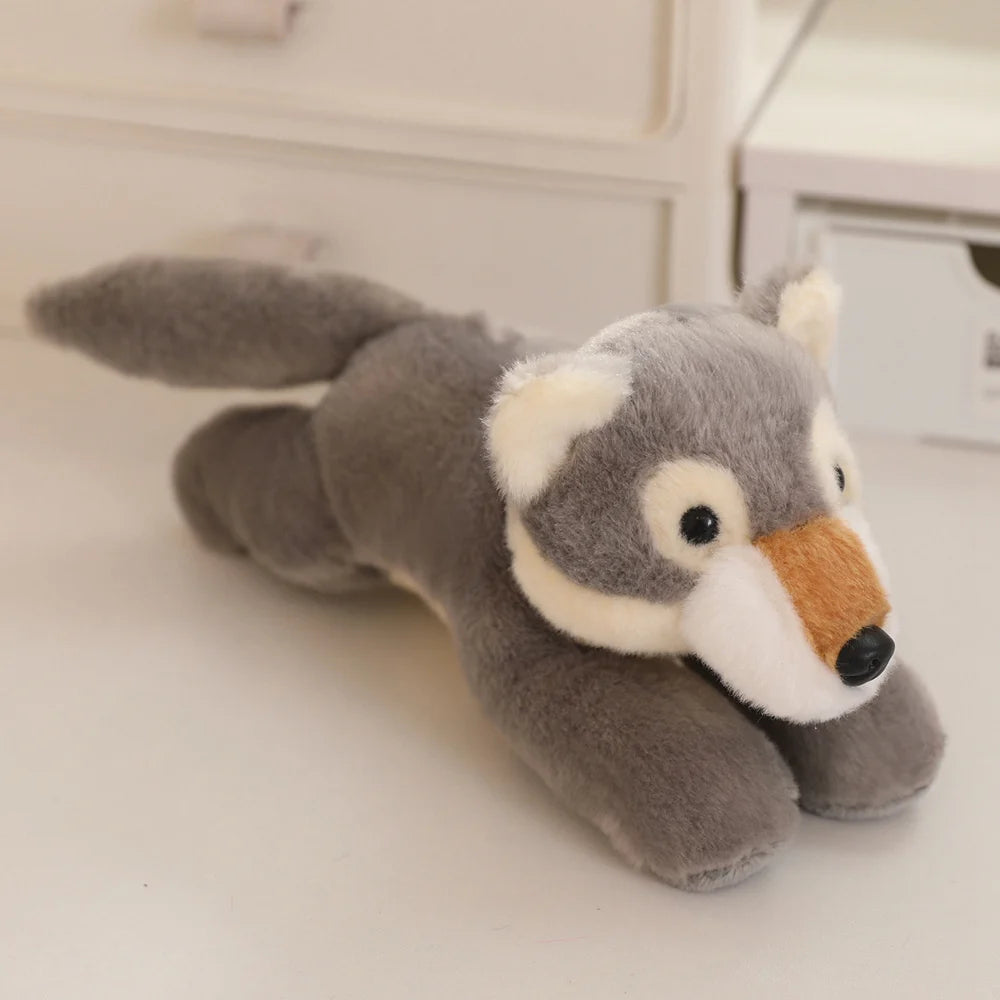
Bring the gentle magic of the wild into your home with these ultra-soft cute lying animal plush toys. Each forest animal plushie is crafted to capture the peaceful beauty of baby wildlife at rest, measuring 30cm from nose to tail and filled with premium PP Cotton for an irresistibly huggable feel. Whether you are searching for a unique nursery accent, a heartfelt children's plush gift, or a stunning addition to a wildlife plush collectibles display, this collection has something truly special for every animal lover.
These lifelike stuffed animals are available in 12 gorgeous wildlife designs. From the bold stripes of the Tiger to the rusty charm of the Red Panda, each piece is a careful tribute to the real animal it represents. With authentic colouring, lifelike lying poses, and premium craftsmanship, these soft plush toys are as beautiful on a shelf as they are comforting in the arms of a child.
Available Variants
Choose your favourite from this stunning range of 12 jungle animal plush toy designs, each available in the same 30cm lying pose:
- Raccoon: The clever, masked forest explorer in irresistibly soft plush form
- Zebra: Bold black and white stripes brought to life in a huggable 30cm stuffed animal
- Tiger: The majestic striped big cat reimagined as an adorable cute lying animal plush
- Lion: King of the savanna, now your cosiest baby animal plushie
- Leopard: Sleek rosette spots and lifelike detailing in a standout 30cm form
- Giraffe: Long-necked grace captured in a beautifully sized soft plush toy
- Panda: The beloved black and white icon that never goes out of style
- Fox: Rusty fur, a fluffy tail, and a pose that melts hearts
- Elephant: The gentle giant reimagined as a lifelike zoo animal stuffed toy
- Red Panda: The internet's most adored rusty-furred woodland creature, now in plush
- Deer: Soft, graceful, and perfect for woodland and nature nursery themes
- Wolf: Wild spirit and quiet strength captured in premium plush stuffed animal form
The Story Behind Realistic Animal Plushies: A Global Trend
The worldwide demand for realistic baby animal plush toys emerged from a significant cultural shift toward nature-inspired aesthetics in home decor and children's gifting. Over the past decade, parents, collectors, and interior designers began moving away from cartoon-style stuffed animals in favour of lifelike stuffed animals that genuinely reflect the beauty of real wildlife. This trend accelerated dramatically through viral nursery content on TikTok and Pinterest, where the image of a peaceful lying down plush animal placed on a crib shelf became an iconic interior aesthetic celebrated globally.
Several individual animals in this collection have also developed their own viral fame that drives collector and gift demand. The Red Panda has become one of the most searched and shared animals online, appearing in countless nature documentaries, conservation campaigns, and dedicated social media fan communities. The Raccoon developed its own internet culture identity through the beloved "trash panda" meme phenomenon, making it a perennial favourite for plush buyers. The Wolf has experienced renewed mainstream popularity through wildlife reintroduction news stories and nature series on streaming platforms. The Panda and Lion have both benefited from massive media franchises and live zoo cam content that keeps them consistently in public consciousness.
Simultaneously, the global influence of kawaii animal plush culture from Japan merged with Western preferences for realistic wildlife design, creating a powerful hybrid aesthetic that now drives the premium plush market worldwide. Our 30cm lying-down collection was created to meet this demand head-on, delivering designs that are both charming and genuinely lifelike. As nursery decor plush pieces, they have become a staple recommendation in interior design communities, particularly for Japandi, Scandinavian, woodland, and safari-themed nursery setups.
Product Highlights and Features
- 12 wildlife variants: Raccoon, Zebra, Tiger, Lion, Leopard, Giraffe, Panda, Fox, Elephant, Red Panda, Deer, Wolf
- Size: 30cm per plush, measured nose to tail in lying position
- Made from ultra-soft, high-quality plush fabric with a premium velvety texture
- Filled with fluffy, non-toxic, hypoallergenic PP Cotton that holds its shape beautifully
- Authentic lying-down pose inspired by baby animals resting in their natural habitat
- Lifelike colouring and fine detailing for a genuinely realistic baby animal plush appearance
- Perfect as a children's plush gift, birthday present, or baby shower gift
- Ideal for nurseries, playrooms, bedroom shelves, and collector displays
- A wonderful cute animal room decor piece for Japandi, boho, and woodland nursery styles
- Part of a sought-after wildlife plush collectibles range beloved by animal enthusiasts of all ages
- Suitable for all ages from toddlers to adult collectors
Size Guide
All lying down plush animals in this collection come in one standard 30cm size. The measurement refers to the full body length of the plush in its natural resting pose, from the tip of the nose to the end of the tail. See the complete breakdown by variant below.
| Animal Variant | Length | Pose | Material | Filling |
|---|---|---|---|---|
| Raccoon | 30cm | Lying Down | Plush | PP Cotton |
| Zebra | 30cm | Lying Down | Plush | PP Cotton |
| Tiger | 30cm | Lying Down | Plush | PP Cotton |
| Lion | 30cm | Lying Down | Plush | PP Cotton |
| Leopard | 30cm | Lying Down | Plush | PP Cotton |
| Giraffe | 30cm | Lying Down | Plush | PP Cotton |
| Panda | 30cm | Lying Down | Plush | PP Cotton |
| Fox | 30cm | Lying Down | Plush | PP Cotton |
| Elephant | 30cm | Lying Down | Plush | PP Cotton |
| Red Panda | 30cm | Lying Down | Plush | PP Cotton |
| Deer | 30cm | Lying Down | Plush | PP Cotton |
| Wolf | 30cm | Lying Down | Plush | PP Cotton |
Care Instructions
- Surface clean only using a soft damp cloth with a small amount of mild, pH-neutral soap
- Do not machine wash, tumble dry, or bleach under any circumstances
- Air dry thoroughly in a well-ventilated space before returning to display or storage
- Avoid prolonged exposure to direct sunlight to preserve colour vibrancy over time
- Store in a cool, dry environment away from moisture and humidity
- Keep away from heat sources and open flames
- Not recommended as a sleep toy for children under 36 months without adult supervision
Why These Baby Animal Plushies Make the Perfect Gift
These are not ordinary stuffed toys. Each realistic baby animal plush in this range is modelled after real wildlife, giving it an authentic, nature-inspired appearance that mass-produced alternatives simply cannot match. The rosette spots of the Leopard, the russet warmth of the Red Panda, the iconic mane of the Lion, and the distinctive stripes of the Tiger each make a genuine tribute to the animal they represent, resulting in a forest animal plushie that children and adults alike are genuinely proud to display.
These plushies also work beautifully as cute animal room decor pieces, complementing a wide range of interior styles including Japandi, Scandinavian, woodland, boho, and safari nursery themes. Parents frequently note that their children develop a curiosity about real wildlife after receiving one of these plushies, turning what starts as a children's plush gift into a gateway for wildlife discovery and nature education.
Occasions Perfect for Gifting
- Baby showers and newborn welcome gifts
- Children's birthdays and Christmas
- Easter baskets and holiday gift sets
- Wildlife and nature lover gifts for all ages
- Nursery and bedroom makeover surprises
- Back-to-school season treats
- Special milestones and collector gifts
Built to Last
The premium plush fabric and PP Cotton filling in these premium plush stuffed animals are selected for their long-term softness retention and shape durability. Unlike budget plush toys that flatten and fade within months, these lying down plush animals maintain their shape and feel beautifully through years of cuddling and display. Whether purchased as a zoo animal stuffed toy for a young explorer, a nursery decor plush centrepiece, or a flagship piece in a wildlife plush collectibles display, these plushies are built to be treasured for years to come.
FAQ: Wild Animals You Love
Red pandas are listed as Endangered on the IUCN Red List, with fewer than 10,000 individuals estimated to survive in the wild today. Their population is threatened primarily by habitat loss through deforestation in the Himalayan foothills of Nepal, Bhutan, and southern China, as well as illegal wildlife trade and genetic isolation caused by fragmented forest habitats. Conservation groups such as the Red Panda Network are actively working to address these threats through habitat protection programs, community-based anti-poaching initiatives, and public education campaigns at a local level. Red pandas have also become a powerful symbol in global wildlife advocacy, regularly appearing in viral nature documentaries and social media campaigns that help raise international awareness for their survival.
Leopards and cheetahs are both spotted big cats but they belong to different genera and have very different lifestyles. Leopards have rosette-shaped spots (small rings of colour forming a circular pattern), a stocky and muscular build, and are well known for hauling prey up into trees to protect it from scavengers like lions and hyenas. Cheetahs have solid black spots, a slender aerodynamic frame optimised for explosive speed, and distinctive black teardrop markings that run from the inner corners of their eyes down to their mouth. Leopards are nocturnal ambush predators found across Africa and Asia, while cheetahs are daytime hunters that rely on short-distance speed in open grasslands. Leopards are also significantly heavier and stronger than cheetahs, despite being far less celebrated for raw athleticism.
Yes, all domestic dogs (Canis lupus familiaris) are descended from ancient wolf populations, though scientists continue to debate exactly which wolf lineage gave rise to modern dogs. Current genetic evidence suggests that domestication occurred between 15,000 and 40,000 years ago somewhere in Eurasia, with wolves that were less fearful of humans gradually forming mutualistic relationships with early hunter-gatherer communities. Over thousands of generations, these wolves evolved the social, behavioural, and physical traits we now associate with domestic dogs. Fascinatingly, domestic dogs and grey wolves still share approximately 99.9% of their DNA, which is why the two can still interbreed and produce fertile offspring commonly known as wolfdogs.
The giraffe's long neck has intrigued scientists for centuries and the answer turns out to be more complex than most people expect. The traditional explanation is that long necks evolved to give giraffes exclusive access to leaves high in acacia trees that shorter herbivores cannot reach, providing a significant competitive foraging advantage. However, more recent research has introduced a compelling alternative theory: that long necks evolved primarily through sexual selection during male combat. Male giraffes engage in a behaviour called necking, swinging their necks like pendulums to deliver powerful blows to rivals during mating season. Studies show that males with longer and heavier necks tend to win more fights and produce more offspring, suggesting that sexual selection plays a larger role than previously recognised. Most scientists today believe both feeding advantage and competitive selection contributed to this iconic evolutionary trait over millions of years.
Despite what it looks like, raccoons are not actually washing their food. The behaviour, called dousing, involves rubbing and dunking objects in water and scientists now believe it is a sensory exercise rather than a hygiene routine. Raccoons have remarkably sensitive forepaws packed with nerve endings, and wetting them substantially increases their tactile sensitivity, helping raccoons better identify objects through touch alone. Since raccoons naturally forage in streams and muddy shallows, the dousing behaviour likely evolved as a sensory adaptation to their aquatic foraging environment rather than a cleanliness habit. Interestingly, the raccoon's scientific name quietly reflects this observation: Procyon lotor, where lotor is Latin for "one who washes," revealing how long humans have observed and been charmed by this quirky behaviour.


Frequently Bought Together
-
Konata Izumi Fumo Plush | Handmade Anime Plush Doll | Swimsuit | 20cm
Precio habitual $52.95 AUDPrecio habitualPrecio unitario por$0.00 AUDPrecio de oferta $52.95 AUD -
Realistic 3D Vegetable Plushies | Corn Okra Cucumber Mushroom Stuffed Food Pillows | Funny Novelty Gift
Precio habitual A partir de $57.25 AUDPrecio habitualPrecio unitario por$0.00 AUDPrecio de oferta A partir de $57.25 AUD -
Kawaii Plush Potted Plants with Dangle Legs | Smiling Cactus Sunflower Calla Lily Rose Stuffed Flower Plushie Decor 25-30cm
Precio habitual A partir de $52.95 AUDPrecio habitualPrecio unitario por$0.00 AUDPrecio de oferta A partir de $52.95 AUD -
Kawaii Pastel Alien Plush | Cute Long Leg Cosmic Galaxy Stuffed Animal | 3 Colors 4 Sizes
Precio habitual A partir de $57.25 AUDPrecio habitualPrecio unitario por$0.00 AUDPrecio de oferta A partir de $57.25 AUD


Suggested Blog posts:
Ver todo-

Sell Fries! [Anomaly] Roblox Guide: Anomalies, ...
Sell Fries Roblox guide: how to make fries fast, every anomaly and its fix, the hidden key route, upgrades and classes. Read before your first night shift.
Sell Fries! [Anomaly] Roblox Guide: Anomalies, ...
Sell Fries Roblox guide: how to make fries fast, every anomaly and its fix, the hidden key route, upgrades and classes. Read before your first night shift.
-

PIPES Roblox Guide: All 10 Nights, Monsters and...
PIPES Roblox guide: how the 10 nights work, what you do in the pipe mazes, the 14 monsters, Custom Night and co-op tips. Read before your first shift.
PIPES Roblox Guide: All 10 Nights, Monsters and...
PIPES Roblox guide: how the 10 nights work, what you do in the pipe mazes, the 14 monsters, Custom Night and co-op tips. Read before your first shift.
-

-


Verified Google Reviews
Hear It from Our Customers