


Giant Anteater Plush Toy Soft Stuffed Anteater Wildlife Plush Gift
Giant Anteater Plush Toy Soft Stuffed Anteater Wildlife Plush Gift
En existencias
- Free Shipping
- 30 Days Return(T&C applies)
- Customer Support
No se pudo cargar la disponibilidad de retiro
Giant Anteater Plush Toy | Soft Stuffed Anteater for Wildlife Lovers
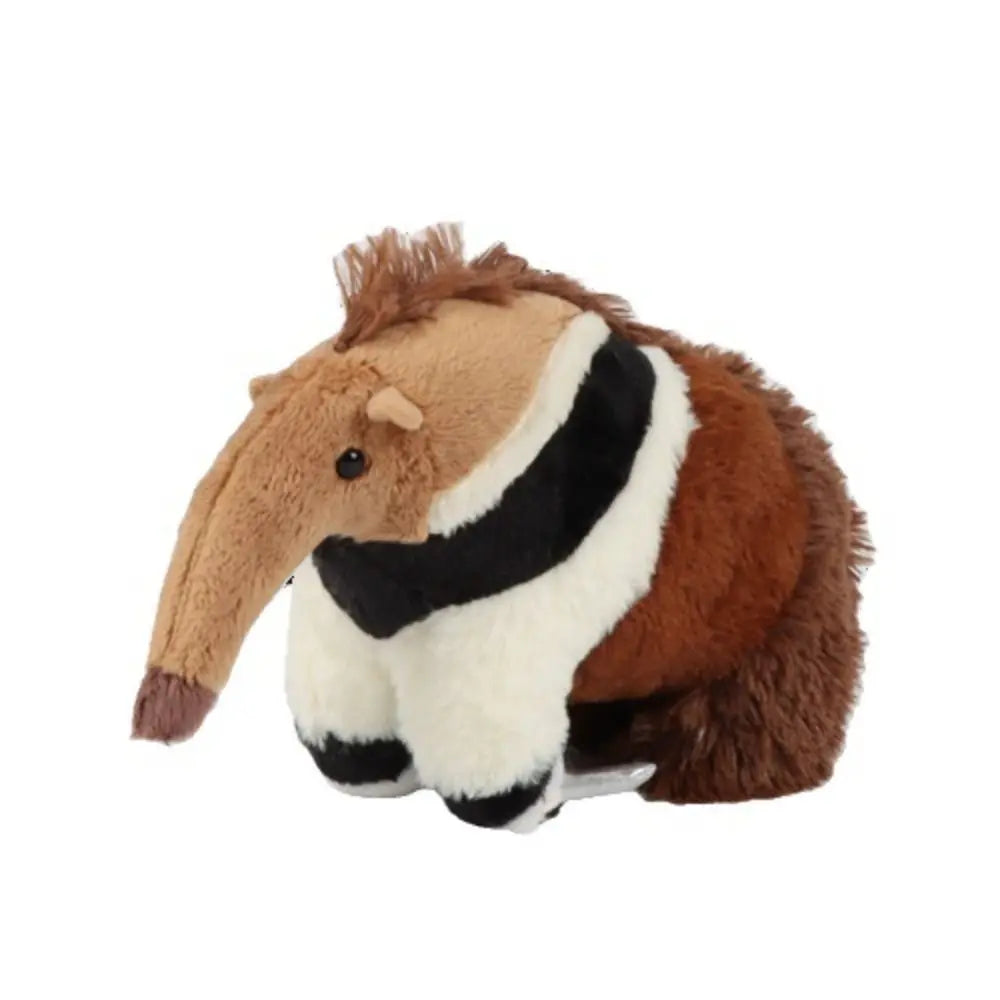
Meet the most distinctive nose in the plush toy world. This giant anteater plush captures every iconic detail of one of nature's most fascinating mammals, from the signature elongated snout to the sweeping bushy tail, all wrapped in irresistibly soft PP cotton filling. Whether you are a wildlife enthusiast, a plush collector, or shopping for an unforgettable gift, this stuffed anteater delivers the charm and quality you expect in a premium anteater stuffed animal.
Why Everyone Is Obsessed With the Giant Anteater Plush
The giant anteater has become one of the internet's most beloved animals. TikTok and YouTube are flooded with viral clips of anteaters rearing up into their famous defensive stance, a dramatic two-legged posture that fans have dubbed the "T-Pose of Death." Wildlife park videos featuring anteaters standing up have racked up millions of views, and the "Why the long nos?" joke has circulated across social platforms for years. This gentle giant went from obscure South American mammal to viral icon, making a giant anteater stuffed animal one of the most shareable, meme-ready plush toys you can own in 2026.
Internet culture first took notice of anteaters back in 2008, when the "I'm an Anteater" image macro appeared on Digg.com, pointedly written in perfect English as a protest against the reign of cat and dog memes. That deadpan dignity struck a chord, and the anteater has never left the cultural spotlight since. Today, anteater plush toys are a go-to gift for anyone who loves quirky wildlife, absurdist humor, or animals that are too cool to be mainstream.
About the Giant Anteater: The Real Animal Behind the Plush
The giant anteater (Myrmecophaga tridactyla) is the largest of the four living anteater species and a true marvel of evolution. Native to Central and South America, this insectivorous mammal has no teeth whatsoever. Instead, it uses a tongue that can extend up to 60cm and flick in and out of termite mounds up to 150 times per minute, consuming up to 35,000 insects in a single day. Its powerful front claws, capable of tearing through concrete-hard termite mounds, double as a formidable defense mechanism. When threatened, the giant anteater stands upright and spreads its arms wide, a posture that has made it a viral sensation across every major social platform. Despite its intimidating defense, the giant anteater is classified as Vulnerable by the IUCN, making it a species that wildlife conservationists work hard to protect. Owning a giant anteater plush toy is a small but meaningful way to celebrate and raise awareness of this extraordinary animal.
Product Highlights
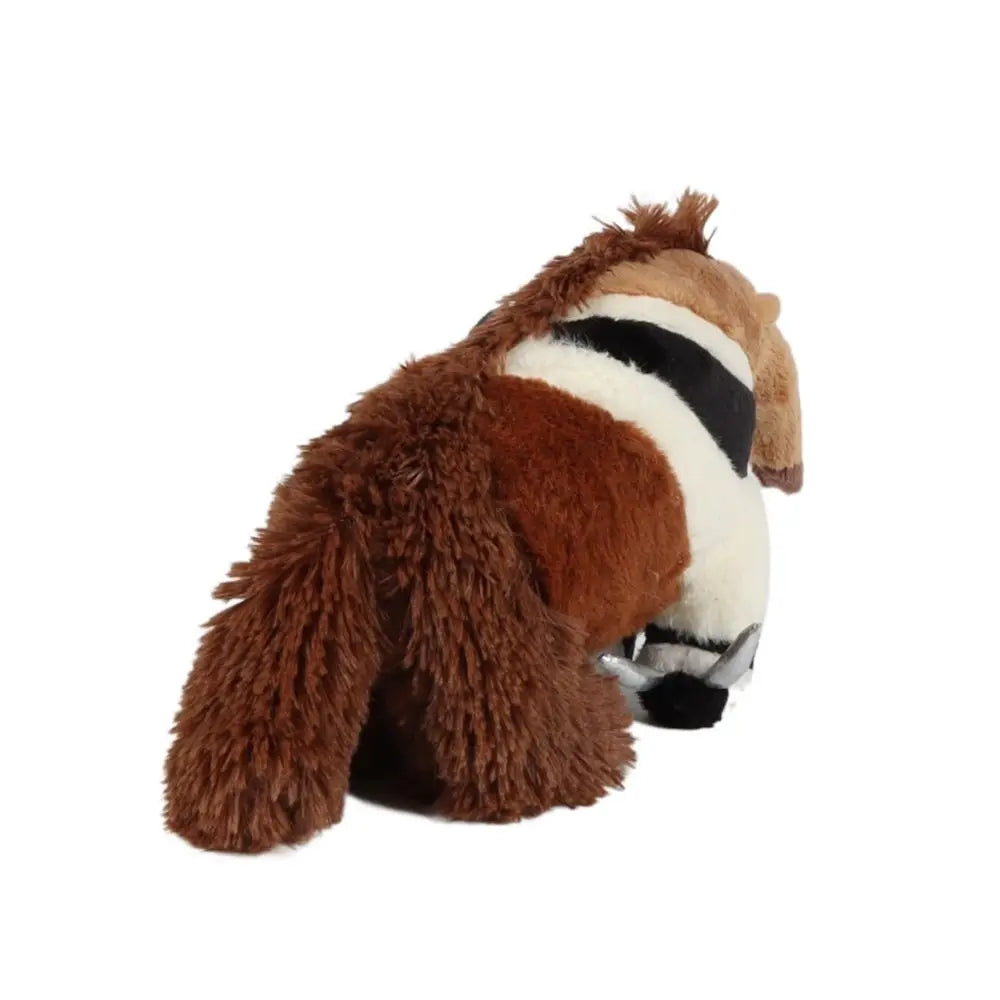
- Realistic design featuring the giant anteater's iconic elongated snout, bushy tail, and grey-black and white coloration
- Premium PP cotton filling for a soft, huggable feel that holds its shape over time
- Soft plush exterior fabric with fine texture details that bring the stuffed anteater to life
- Safe and child-friendly construction, suitable for wildlife fans of all ages
- Perfect for wildlife lovers, plush collectors, and fans of anteater meme culture
- Great as a birthday gift, conservation awareness gift, or unique desk companion
- Lightweight and easy to display or carry on the go
- A conversation starter with genuine wildlife plush toy appeal that goes beyond mainstream species
A Wildlife Plush Toy That Stands Out From the Crowd
This giant anteater plush toy is filled with premium PP cotton and covered in soft plush fabric for a huggable feel that holds its shape. Suitable for ages 3 and up, it works equally well as a cuddly companion, a shelf display piece, or a gift for wildlife fans of any age.
In a market full of bears, bunnies, and cats, a giant anteater plush is refreshingly original. It appeals to the growing community of collectors who seek out animals that are weird, wonderful, and underrepresented in the plush world. The anteater's unmistakable silhouette, that long curved snout, dramatic bushy tail, and bold grey-black patterning, makes this cute anteater plush instantly recognizable and endlessly photogenic. It photographs beautifully alongside other exotic animal plush toys or as a standalone statement piece on a shelf or desk.
This anteater plush toy also carries real emotional resonance for wildlife advocates. Giant anteaters are a Vulnerable species, and every purchase is a chance to celebrate an animal that deserves far more attention. Whether you are shopping for yourself or looking for a gift for the nature-lover in your life, this soft anteater toy is a purchase with personality.
The Perfect Anteater Gift for Any Occasion
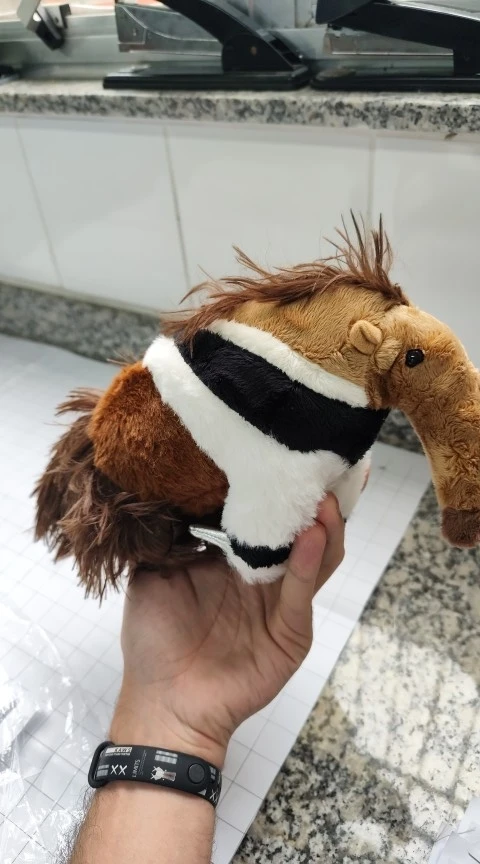
Looking for a birthday gift that no one else will give? A quirky desk companion for a wildlife biologist friend? An anteater gift for the person who collects unusual animals? This giant anteater stuffed animal fits every brief. It pairs beautifully with other wildlife plush, works as an educational toy for curious kids, and doubles as charming room decor. Its compact size means it ships easily worldwide and fits neatly into any space, making it one of the most giftable plush anteater options available today.
Care Instructions
To keep your giant anteater plush looking its best for years to come, please follow these simple care guidelines:
- Surface clean only: Gently spot clean with a damp cloth and mild soap.
- Do not machine wash or tumble dry, as this may damage the plush fabric and filling.
- Do not bleach or use harsh chemical cleaners.
- Do not iron directly on the plush surface.
- Air dry in a well-ventilated area away from direct sunlight to preserve color and texture.
- Keep away from excessive moisture and store in a cool, dry place when not on display.
FAQ: Giant Anteater Facts and Viral Moments You Need to Know
When a giant anteater feels threatened, it rises onto its hind legs and spreads its powerful forelegs wide, exposing its massive curved claws in what has been called the "T-Pose of Death." This defensive posture is so dramatic and unexpected that TikTok videos featuring it routinely hit millions of views. Wildlife parks like Tanganyika Wildlife Park have posted footage of giant anteaters performing this stance that quickly went viral. The posture is genuinely intimidating: giant anteater claws can grow over 10cm long and are strong enough to rip through termite mounds built to withstand enormous pressure. Even jaguars, the apex predator of South America, often avoid a confrontation with a standing anteater. The meme resonance comes from how deeply unsettling this stance looks from an animal most people consider harmless and goofy, a reminder that nature is stranger and more capable than it looks.
The giant anteater has one of the most specialized feeding mechanisms in the entire animal kingdom. Its tongue can reach up to 60cm in length and can flick in and out of insect mounds up to 150 times per minute. Because it has no teeth at all, it relies entirely on this sticky, muscular tongue to lap up ants and termites. A single giant anteater can consume more than 35,000 insects in one day. The tongue is coated in thick saliva that insects stick to instantly. The anteater opens a mound with its powerful claws, plunges its snout in, and feeds for only about 40 seconds per mound before moving on, a strategy that prevents insect colonies from mounting a defense. This feeding style is precisely what makes the anteater's long snout so distinctive and why a giant anteater plush with an accurate snout is so immediately recognizable.
The giant anteater is currently classified as Vulnerable on the IUCN Red List, meaning it faces a significant risk of extinction without active conservation efforts. The primary threats are habitat destruction driven by agricultural expansion and wildfires across the Brazilian cerrado and South American grasslands, as well as road collisions, which kill thousands of anteaters each year. In some regions, poaching for bushmeat remains a serious concern. Giant anteaters have a very low reproductive rate: females give birth to only one pup per year, which means populations recover slowly after declines. Conservation organizations across Brazil and Colombia are working on corridor protection, road mitigation programs, and captive breeding initiatives to stabilize wild populations. Celebrating the giant anteater through plush toys and wildlife education helps build the cultural appreciation that supports conservation funding.
The "Why the long nos?" meme is a play on the classic bartender joke "Why the long face?" where the punchline is replaced by a reference to the giant anteater's distinctively elongated snout. This joke format began circulating on Reddit and Twitter in the early 2010s and has remained a consistent presence in wildlife and animal meme communities ever since. It gained renewed traction when giant anteater videos started going viral on TikTok, with creators pairing the punchline with footage of anteaters interacting with zookeepers or sniffing around enclosures. The anteater's deadpan expression and truly improbable nose make it a perfect straight-man character for internet humor. The meme community has expanded it into dozens of variations, and the giant anteater remains one of the few non-cat, non-dog animals with a genuinely durable presence in mainstream internet culture.
There are four living species of anteaters, all belonging to the suborder Vermilingua. The giant anteater (Myrmecophaga tridactyla) is by far the largest, reaching up to 2.1 metres from snout to tail and living exclusively on the ground. The northern and southern tamanduas are medium-sized and semi-arboreal, spending time both in trees and on the ground. They are well known for their own viral "T-Pose" defense stance, which differs from the giant anteater's in that tamanduas perform it more frequently as a threat display while giant anteaters use it as an active combat posture. The silky anteater (or pygmy anteater) is the smallest species, roughly the size of a squirrel, and it went viral through TikTok clips of a pygmy anteater appearing to direct traffic by raising its arms. Despite their similarities in diet and body plan, the four species occupy very different ecological niches across Central and South America. The giant anteater plush is the most iconic of the four for plush collectors due to its unmistakable size and silhouette.


Frequently Bought Together
-
Toothless Dancing Meme Plush 25cm | Night Fury Black & Light Fury White | How to Train Your Dragon Stuffed Animal
Precio habitual $52.95 AUDPrecio habitualPrecio unitario por$0.00 AUDPrecio de oferta $52.95 AUD -
Cursed Plankton Meme Plush Squeaker Keychain | Screaming Face Bag Charm 12cm
Precio habitual $47.25 AUDPrecio habitualPrecio unitario por$0.00 AUDPrecio de oferta $47.25 AUD -
Giant Realistic Giant Realistic Snake Plush 120cm | Python Stuffed Animal Body Pillow and Prank Toy in 6 Colors
Precio habitual $73.25 AUDPrecio habitualPrecio unitario por$0.00 AUDPrecio de oferta $73.25 AUD -
Lifelike British Shorthair Cat Plush 30cm | Realistic Stuffed Animal | Yellow Gray Black White
Precio habitual $53.95 AUDPrecio habitualPrecio unitario por$0.00 AUDPrecio de oferta $53.95 AUD


Suggested Blog posts:
Ver todo-

How to Get the Mimic Hoodie in The Hollow Event...
Get the free Mimic Hoodie in Roblox The Hollow: full Animal Hospital quest route, Hazmat NPC, slime photos, slide puzzle and how to claim it
How to Get the Mimic Hoodie in The Hollow Event...
Get the free Mimic Hoodie in Roblox The Hollow: full Animal Hospital quest route, Hazmat NPC, slime photos, slide puzzle and how to claim it
-

How To Get All Day 6 Prizes in The Hollow Roblo...
Get every Day 6 prize in Roblox The Hollow: solve the Floor 6 cauldron, clear the Banana Eats cake hunt, and finish both Animal Hospital shifts.
How To Get All Day 6 Prizes in The Hollow Roblo...
Get every Day 6 prize in Roblox The Hollow: solve the Floor 6 cauldron, clear the Banana Eats cake hunt, and finish both Animal Hospital shifts.
-

Banana Eats Lolwen Guide: Get the Item, Badge A...
Get the Lolwen item, badge and 10 tickets in Banana Eats. Full Hollow Key, cake slice and Floor 6 maze steps for The Hollow event.
Banana Eats Lolwen Guide: Get the Item, Badge A...
Get the Lolwen item, badge and 10 tickets in Banana Eats. Full Hollow Key, cake slice and Floor 6 maze steps for The Hollow event.
-

How To Get ALL 27 TICKET QUEST BADGES in The Ho...
Roblox The Hollow event guide: every badge quest, fast ticket tips and mistakes to avoid for all 27 games before the event ends November 2.
How To Get ALL 27 TICKET QUEST BADGES in The Ho...
Roblox The Hollow event guide: every badge quest, fast ticket tips and mistakes to avoid for all 27 games before the event ends November 2.


Verified Google Reviews
Hear It from Our Customers