


Molting Cicada Plushie with Zipper Nymph Shell, 2-in-1 Bug Handmade Plush Cicada Toy
Molting Cicada Plushie with Zipper Nymph Shell, 2-in-1 Bug Handmade Plush Cicada Toy
En existencias
- Free Shipping
- 30 Days Return(T&C applies)
- Customer Support
No se pudo cargar la disponibilidad de retiro
Molting Cicada Plushie with Zipper Nymph Shell, 2-in-1 Bug Handmade Plush
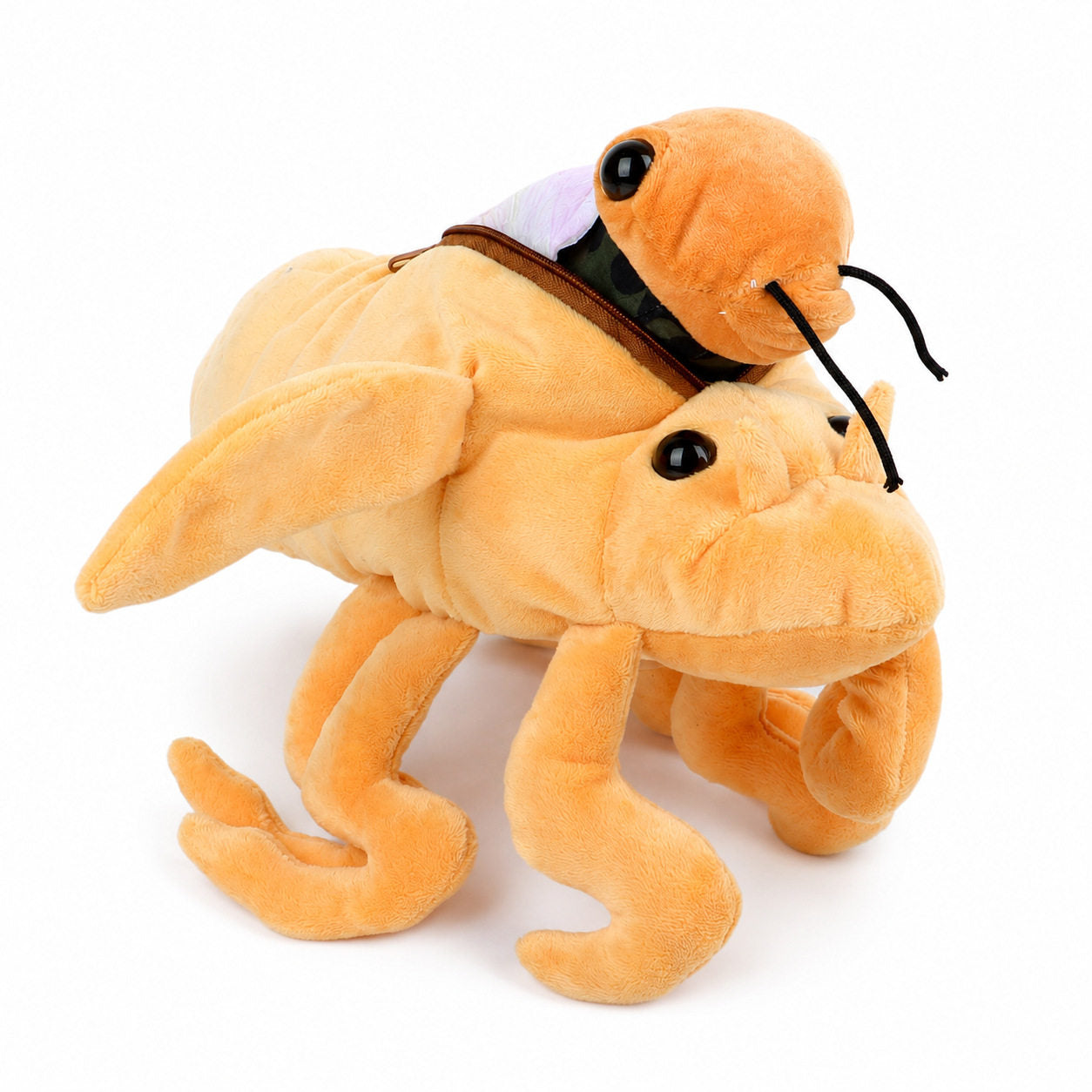
Have you ever watched a cicada toy come to life right before your eyes? This extraordinary molting cicada plushie captures the magic of one of nature's most fascinating transformations, letting you relive the wonder of metamorphosis any time you like. Designed as a fully interactive 2-in-1 plush, this handmade creation houses a winged adult cicada inside a zippered nymph shell. Unzip the shell, pull out the winged bug, and experience the awe of emergence in plush form.
Whether you are a nature enthusiast, an insect lover, a curious kid, or simply someone who appreciates incredibly unique handmade toys, this cicada plushie delivers something truly special. Both pieces are sold as a single set and are not available separately.
What Makes This Cicada Plushie So Unique
The molting cicada plushie is built around a real biological concept: ecdysis, the process by which insects shed their exoskeleton to grow into their next life stage. The outer shell represents the nymph casing left behind after a cicada completes its underground development, and the winged plush inside represents the newly emerged adult. This is not just a toy. It is a soft, squeezable science lesson wrapped in premium handmade craftsmanship.
The zipper closure on the nymph shell is smooth, child-friendly, and durable. The inner cicada toy features fabric wings, detailed stitching, and expressive eyes that bring the insect to life with charm and personality. As a handmade product, each piece carries slight variations that make it one of a kind.
Product Highlights
- Molting cicada plushie design inspired by the real-life biological process of insect molting (ecdysis)
- 2-in-1 interactive construction: zippered bug plushie nymph shell contains a winged adult cicada inside
- Outer nymph shell measures 29 cm; inner winged adult cicada plushie measures 18 cm
- Handmade with soft, high-quality plush fabric and careful stitching throughout
- Smooth, child-safe zipper for easy separation and reassembly
- Educational insect plush toy suitable for children learning about insect life cycles
- Cicada stuffed animal with expressive embroidered facial features and fabric wing detailing
- Makes a memorable gift for nature lovers, entomology enthusiasts, and fans of unique stuffed animals
- Perfect bug stuffed animal for display, play, or educational use
- Each unit is individually handmade, ensuring a personal, one-of-a-kind finish
- Sold as one complete 2-in-1 plush unit
The Cicada: Nature's Most Dramatic Transformer
Cicadas are among the most recognizable insects on Earth, celebrated across cultures for their deafening summer songs and their extraordinary life cycles. Depending on the species, cicadas spend anywhere from 2 to 17 years underground as nymphs, feeding on tree roots and developing slowly beneath the soil. When the time is right, they tunnel to the surface, climb to a safe spot, and begin molting. The nymph shell splits open along the back, and a pale, winged adult emerges, gradually hardening and darkening as it takes its first breath of above-ground air.
This process, known as ecdysis, has captivated humans for millennia. In ancient China and Japan, the cicada was a symbol of resurrection, rebirth, and immortality, largely because of this dramatic transformation from a small brown nymph into a large, winged creature seemingly born from its own shell. Finding an empty cicada shell (called a cicada exuvia) was considered a good omen in many East Asian traditions. This molting cicada plushie pays homage to that legacy in the softest possible way.
The Trend Behind the Cicada Toy Craze
The rise of the cicada plushie as a collectible toy trend is deeply tied to two intersecting cultural forces: the viral nature of cicada emergence events and the explosion of novelty plush toys on social media platforms.
In 2024, the simultaneous emergence of Brood XIII and Brood XIX, two of North America's largest periodical cicada broods, created a media frenzy. For the first time in 221 years, these two groups surfaced at the same time across the Midwest and Southeast United States, with billions of cicadas appearing within weeks. The event dominated news cycles, social media feeds, and YouTube channels. Entomologists, educators, and everyday people shared videos of cicadas molting in real time, and searches for cicada toys and cicada stuffed animals skyrocketed.
At the same time, the "educational plush" category was growing rapidly, with toys that simulate real animal behaviors becoming a top seller in markets across North America, Europe, and Japan. The 2-in-1 zipper bug plushie format tapped directly into this demand, combining tactile play with genuine scientific storytelling. Videos of people unzipping their molting cicada plushie and revealing the winged insect inside went viral across TikTok and Instagram, cementing the product as a must-have novelty insect plush toy for all ages.
Size Guide
| Component | Approximate Height | Description |
|---|---|---|
| Nymph Shell (Outer) | 29 cm | The zippered outer shell representing the molted exoskeleton |
| Winged Adult Cicada (Inner) | 18 cm | The cicada stuffed animal that emerges from inside the shell |
Care Instructions
- Surface clean only using a damp cloth and mild soap
- Do not submerge in water or machine wash
- Do not tumble dry or iron
- Keep away from direct heat sources and prolonged sunlight to preserve fabric color
- Suitable for ages 3 and above; contains small zipper components, supervise young children during play
- Store in a cool, dry place when not in use
FAQ: Cicadas, Molting, and the Bug Behind the Plush
Cicadas molt as part of their growth process in a phenomenon called ecdysis. Because insects have a rigid exoskeleton, they cannot grow within it. A nymph cicada will shed its exoskeleton multiple times underground during development. The final molt is the most dramatic: the nymph climbs above ground, its shell splits along the back, and the pale adult cicada slowly pulls itself free. Over several hours, its wings expand, its body hardens, and its color darkens to the familiar black and green pattern. The empty shell left behind is called an exuvia and is often found still clinging to tree trunks and fences.
It depends on the species. Annual cicadas, the ones you hear every summer, spend around 2 to 5 years underground before emerging. Periodical cicadas, which are unique to North America, spend exactly 13 or 17 years underground depending on the brood. These long life cycles are believed to be an evolutionary survival strategy, making it harder for predators to time their own reproduction to coincide with cicada emergence. The 2024 dual emergence of Brood XIII (17-year) and Brood XIX (13-year) was a once-in-221-years event that drew international attention.
Cicadas are completely harmless to humans. They do not bite, sting, or carry disease. They can be startling due to their loud calls, which can reach up to 100 decibels in large numbers, but they pose no physical threat. For pets, cicadas are generally safe, though dogs and cats sometimes eat them in large quantities which can cause mild digestive upset simply due to the volume consumed. The insects themselves are non-toxic and are actually considered a protein-rich food source in many cultures around the world.
In China, Japan, and other East Asian cultures, the cicada has been a symbol of rebirth, immortality, and purity for thousands of years. Ancient Chinese nobles were often buried with jade cicada carvings placed on their tongues, symbolizing resurrection in the afterlife. In Japan, the cicada (semi) is a central image in haiku poetry and is associated with the fleeting nature of summer and life itself. In Chinese poetry and art, the cicada represents incorruptibility and a pure spirit because it feeds only on dew and does not touch the earth. These rich traditions make the cicada one of the most symbolically loaded insects in world culture.
The 2024 cicada season was extraordinary because two massive periodical broods, Brood XIII and Brood XIX, emerged simultaneously for the first time since 1803. Brood XIX operates on a 13-year cycle while Brood XIII runs on a 17-year cycle, meaning their combined emergence only aligns every 221 years. Billions of cicadas surfaced across more than a dozen US states, with the Midwest and Southeast seeing the densest concentrations. The event dominated social media, with millions of videos shared of molting cicadas, their empty shells, and the deafening chorus they produced. Scientists, educators, and the general public treated it as a once-in-a-lifetime natural spectacle, and interest in cicada-related content, including cicada toys and insect plush toys, surged dramatically as a result.


Frequently Bought Together
-
Toothless Dancing Meme Plush 25cm | Night Fury Black & Light Fury White | How to Train Your Dragon Stuffed Animal
Precio habitual $52.95 AUDPrecio habitualPrecio unitario por$0.00 AUDPrecio de oferta $52.95 AUD -
Cursed Plankton Meme Plush Squeaker Keychain | Screaming Face Bag Charm 12cm
Precio habitual $47.25 AUDPrecio habitualPrecio unitario por$0.00 AUDPrecio de oferta $47.25 AUD -
Giant Realistic Giant Realistic Snake Plush 120cm | Python Stuffed Animal Body Pillow and Prank Toy in 6 Colors
Precio habitual $73.25 AUDPrecio habitualPrecio unitario por$0.00 AUDPrecio de oferta $73.25 AUD -
Lifelike British Shorthair Cat Plush 30cm | Realistic Stuffed Animal | Yellow Gray Black White
Precio habitual $53.95 AUDPrecio habitualPrecio unitario por$0.00 AUDPrecio de oferta $53.95 AUD


Suggested Blog posts:
Ver todo-

How to Get the Mimic Hoodie in The Hollow Event...
Get the free Mimic Hoodie in Roblox The Hollow: full Animal Hospital quest route, Hazmat NPC, slime photos, slide puzzle and how to claim it
How to Get the Mimic Hoodie in The Hollow Event...
Get the free Mimic Hoodie in Roblox The Hollow: full Animal Hospital quest route, Hazmat NPC, slime photos, slide puzzle and how to claim it
-

How To Get All Day 6 Prizes in The Hollow Roblo...
Get every Day 6 prize in Roblox The Hollow: solve the Floor 6 cauldron, clear the Banana Eats cake hunt, and finish both Animal Hospital shifts.
How To Get All Day 6 Prizes in The Hollow Roblo...
Get every Day 6 prize in Roblox The Hollow: solve the Floor 6 cauldron, clear the Banana Eats cake hunt, and finish both Animal Hospital shifts.
-

Banana Eats Lolwen Guide: Get the Item, Badge A...
Get the Lolwen item, badge and 10 tickets in Banana Eats. Full Hollow Key, cake slice and Floor 6 maze steps for The Hollow event.
Banana Eats Lolwen Guide: Get the Item, Badge A...
Get the Lolwen item, badge and 10 tickets in Banana Eats. Full Hollow Key, cake slice and Floor 6 maze steps for The Hollow event.
-

How To Get ALL 27 TICKET QUEST BADGES in The Ho...
Roblox The Hollow event guide: every badge quest, fast ticket tips and mistakes to avoid for all 27 games before the event ends November 2.
How To Get ALL 27 TICKET QUEST BADGES in The Ho...
Roblox The Hollow event guide: every badge quest, fast ticket tips and mistakes to avoid for all 27 games before the event ends November 2.


Verified Google Reviews
Hear It from Our Customers