


Rubber Ducky Isopod Plush Realistic Pillbug Roly Poly Stuffed Animal Lifelike Woodlouse Unique Insect Stuffed Animal Plush
Rubber Ducky Isopod Plush Realistic Pillbug Roly Poly Stuffed Animal Lifelike Woodlouse Unique Insect Stuffed Animal Plush
En existencias
- Free Shipping
- 30 Days Return(T&C applies)
- Customer Support
No se pudo cargar la disponibilidad de retiro
Rubber Ducky Isopod Plush 35cm | Realistic Pillbug and Roly Poly Stuffed Animal | Lifelike Woodlouse | Unique Insect Stuffed Animal
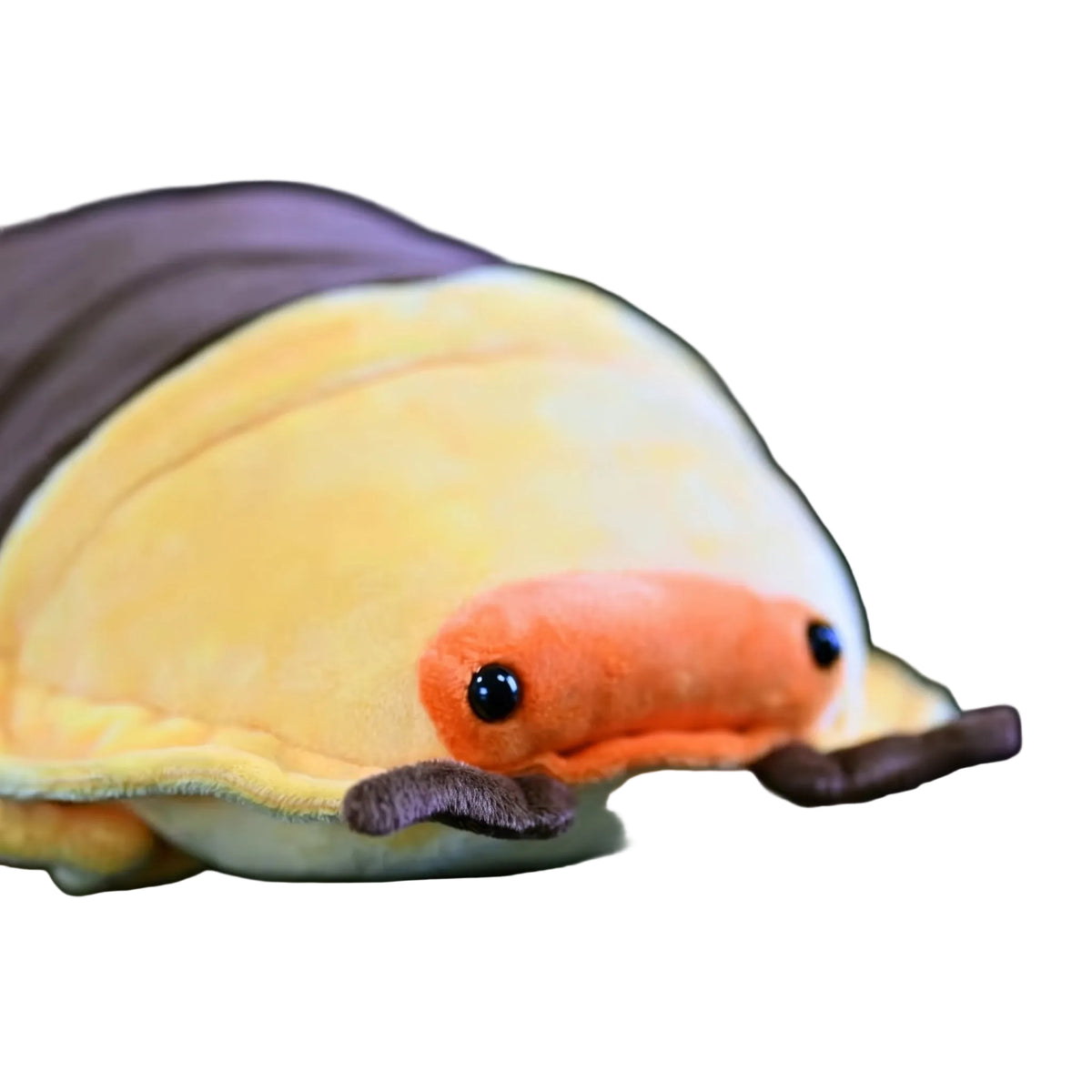
Meet the plush toy that exotic pet lovers and wildlife enthusiasts have been waiting for. This Rubber Ducky Isopod plush brings one of the most beloved creatures in the invertebrate hobby to life in stunning, soft detail. Standing at a generous 35 centimeters tall and crafted from premium plush materials, this isopod plush toy faithfully captures every segment of the iconic yellow and dark brown body that turned this tiny land crustacean into a global sensation. Whether you are a dedicated hobbyist or simply someone who loves nature in all its surprising and beautiful forms, this realistic isopod toy is a piece you will want on your shelf for a very long time.
The Rubber Ducky Isopod: Where It Comes From and How It Became an Icon
The Rubber Ducky Isopod, known in scientific communities as Cubaris sp., is a terrestrial crustacean native to the limestone cave systems of Thailand. Its vivid yellow and deep brown segmented body, which tapers into a smooth, rounded silhouette, gives it an extraordinary resemblance to the classic rubber duck bath toy, and that is exactly how it earned one of the most charming nicknames in the entire animal kingdom.
Around 2016, photos and short videos of the Rubber Ducky Isopod began circulating on Reddit, Instagram, and YouTube. The reaction was immediate and enthusiastic. Hobbyists and curious viewers around the world were captivated by its almost cartoon like beauty and its unusual status as both a living creature and a collector's dream. Live specimens began trading for premium prices, sometimes running into hundreds of dollars per individual, and dedicated communities formed almost overnight. As the fame of the species grew, so did the appetite for everything connected to it, and the Cubaris sp. plush market grew naturally alongside the animal's iconic status.
Today this isopod stuffed animal represents far more than a soft toy. It is a celebration of one of the most culturally beloved species in the modern exotic pet world and a thoroughly unique isopod collectible that any nature lover will be thrilled to own. This isopod plush toy captures the full spirit of that enthusiasm in a form that anyone can enjoy, regardless of whether they keep a terrarium or simply find the creature utterly irresistible.
Product Highlights
Features at a Glance
- True to life realistic pillbug design with accurate yellow and dark brown Cubaris sp. coloring
- Generous 35 centimeter height, perfect for shelf display or as a cuddly companion
- Premium soft plush fabric that feels wonderful to hold and squeeze
- Intricately detailed segmented body for a genuinely lifelike woodlouse appearance
- A truly unique insect stuffed animal that stands apart from anything in a typical toy store
- This woodlouse plush toy is safe for all ages including children aged three and above
- Outstanding nature lover gift for birthdays, holidays, and special occasions
- A standout isopod collectible for hobbyists, wildlife fans, and curious minds
- This roly poly plush is lightweight and easy to carry, display, or gift wrap
- Perfect bug stuffed animal for educational settings, classrooms, and science programs
A Plush Unlike Anything Else on the Market
Most stuffed animals draw inspiration from familiar domestic animals or animated characters. This pillbug plush draws from something far more extraordinary: the real living world of exotic invertebrates, inspired by a species that most people have never encountered in person but that has captured the imaginations of millions around the world. The level of originality here simply does not exist in the typical toy aisle, and that is precisely what makes it so special.
The detail in this piece rewards close attention. The segmented body follows the natural form of the real Cubaris sp., and the coloring faithfully echoes the striking yellow and dark brown palette that made the species famous. This woodlouse plush toy does not compromise on authenticity. The result is a plush that feels equally at home on a naturalist's display shelf and in a child's arms, and that earns admiring looks wherever it is placed.
This roly poly stuffed animal is also a wonderful conversation piece. Place it on a desk and someone will inevitably ask where it came from. Put it alongside a terrarium setup and it fits in perfectly. As an arthropod plush, it occupies a genuinely unique space in the world of soft toys, bridging scientific curiosity and everyday charm in a way that very few products manage to do. Whether you showcase it as a decorative item or reach for it as a comfort toy, this isopod stuffed animal more than earns its place.
The Perfect Gift for Nature Lovers, Collectors, and Curious Minds
Searching for a truly original and memorable present? This roly poly plush is the kind of gift that people actually remember. It is unexpected, delightful, and tells the recipient that you genuinely thought about what they love. Whether they are a dedicated isopod keeper, a wildlife enthusiast, a lover of quirky collectibles, or simply someone who appreciates things that are wonderfully outside the ordinary, this Cubaris sp. plush will land perfectly every time.
This plush also works beautifully as an educational resource. Science teachers, museum educators, nature center staff, and wildlife communicators will find this realistic isopod toy to be a fantastic hands on teaching aid for discussions about arthropods, crustaceans, ecosystem roles, and the remarkable diversity of life on our planet. It makes abstract scientific concepts tangible, approachable, and genuinely exciting for people of all ages.
For the collector with a taste for the truly extraordinary, this arthropod plush belongs on the shelf right now. It draws the eye and sparks curiosity wherever it is placed. Add this nature lover gift to your order today and bring home the spirit of the natural world in the most charming form it has ever taken. Think of this plush as a pillbug plush and a bug stuffed animal all in one, ready to find its perfect home with you.
Size Guide
| Measurement | Dimension | Notes |
|---|---|---|
| Height | 35 cm (approx. 13.8 inches) | Measured from the base to the top of the plush body |
| Width | Approx. 18 to 22 cm | Measured at the widest point of the body segments |
| Weight | Lightweight | Easy to carry, gift, and display |
| Recommended Age | 3 years and above | Safe for children and adults alike |
Care Instructions
Keeping Your Plush in Perfect Condition
- Surface clean only using a soft, lightly damp cloth with a small amount of mild soap
- Do not machine wash or submerge in water
- Do not tumble dry or apply direct heat to the fabric
- Avoid prolonged exposure to direct sunlight to preserve the vibrant yellow and dark brown coloring
- Store in a cool, dry place when not on display
- Spot clean any stains promptly for the best results
- Do not use bleach or harsh chemical cleaners on the plush materials
FAQ: Everything You Want to Know About the Rubber Ducky Isopod
The Rubber Ducky Isopod is a terrestrial crustacean known scientifically as Cubaris sp., native to the limestone cave habitats of Thailand and parts of Southeast Asia. Its nickname comes from its extraordinary yellow and dark brown segmented body, which visually resembles a classic rubber duck toy in a way that is both unexpected and completely charming. First brought to widespread attention in the exotic pet and terrarium hobby community around 2016, it quickly spread across social media platforms as photos and videos of the species captured global fascination. Hobbyists were immediately drawn to its stunning appearance and premium rarity. Live specimens began commanding impressive prices, dedicated communities formed around breeding and trading them, and the species became a symbol of everything exciting about the modern invertebrate hobby. Today it remains one of the most recognized and beloved land crustaceans anywhere in the world, inspiring collector culture, themed merchandise, and a passionate global fanbase.
Live Rubber Ducky Isopods are among the most expensive isopod species available in the exotic pet trade. Individual specimens have historically sold for anywhere between $30 and well over $100, with freshly sourced or rare color variant individuals sometimes fetching even higher prices. Small starter cultures or breeding groups often cost several hundred dollars. As captive breeding programs have grown and matured over the years, prices have come down somewhat from early peak levels, but this species remains a premium commodity in the hobby. Reputable sources include specialty invertebrate dealers, established breeders on Instagram and Facebook, dedicated isopod trading communities and marketplaces online, and reptile and invertebrate expos held in major cities across North America, Europe, and Asia. The Reddit community r/isopods is also a trusted hub for connecting with verified sellers and learning more about proper care.
Rubber Ducky Isopods are generally considered intermediate to advanced level exotic pets rather than an ideal starting point for newcomers to the hobby. They require a carefully maintained enclosure that mimics their native limestone cave environment, with consistent warmth in the range of 75 to 85 degrees Fahrenheit, high humidity levels, and good air circulation. Their substrate should be calcium rich to support healthy molting cycles, and their diet needs to be varied and nutritious. While they are peaceful and non aggressive by nature, their sensitivity to environmental fluctuations and their relatively high cost mean they are best suited to hobbyists who already have some experience keeping tropical invertebrates. Most experienced keepers recommend starting with a hardier, more forgiving species before transitioning to Cubaris sp. Those who take the time to create the right setup are typically rewarded with a thriving and visually spectacular colony that is a genuine joy to observe.
In the wild, Rubber Ducky Isopods are detritivores, meaning they consume and break down decomposing organic matter on cave floors and forest floors throughout their native Southeast Asian habitat. Their natural diet consists primarily of decaying leaf litter, rotting wood, fungi, and various forms of organic debris. In captivity, hobbyists replicate this natural intake with a varied menu that includes dried leaves such as oak, beech, and magnolia, fresh vegetable slices including zucchini, cucumber, and sweet potato, occasional protein sources such as dried fish flakes or dried shrimp, and dried mushrooms. Calcium supplements like cuttlebone and crushed oyster shell are provided regularly to support the molting process and maintain a strong, healthy exoskeleton. Fresh food items should be removed within a day or two to prevent mold growth and keep the enclosure clean and healthy for the colony.
These terms all refer to members of the same broad group of terrestrial crustaceans, but they carry slightly different technical meanings. Isopods refers to an entire order of crustaceans that includes both land dwelling and aquatic species. Woodlice is the most widely accepted scientific common name for land isopods as a group. Pillbugs specifically refers to members of the family Armadillidiidae, the isopods best known for rolling into a tight ball when threatened, which is the behavior that inspired the playful nickname roly poly. The Rubber Ducky Isopod belongs to the closely related family Armadillidae and also possesses this rolling ability, sharing the trait with the classic backyard roly poly. In everyday conversation these names are used interchangeably, and all of them describe creatures that are crustaceans rather than insects, making them relatives of crabs, lobsters, and shrimp rather than of beetles or ants. The rapid growth in global popularity of the isopod keeping hobby has brought all of these terms into far wider mainstream awareness over the past several years.


Frequently Bought Together
-
Rubber Ducky Isopod Plush Realistic Pillbug Roly Poly Stuffed Animal Lifelike Woodlouse Unique Insect Stuffed Animal Plush
Precio habitual $53.95 AUDPrecio habitualPrecio unitario por -
Snow Leopard Plush 23cm | Lifelike Snow Panther Plushie | Cute Big Cat Stuffed Animal
Precio habitual $52.95 AUDPrecio habitualPrecio unitario por$0.00 AUDPrecio de oferta $52.95 AUD -
Kangaroo Plush 23cm Stuffed Animal | Soft Australian Wildlife Toy
Precio habitual $52.95 AUDPrecio habitualPrecio unitario por$0.00 AUDPrecio de oferta $52.95 AUD -
Takato Saijo and Junta Azumaya Takato Plush Set | Handmade BL Anime 10cm Cotton Doll Collectible
Precio habitual $47.25 AUDPrecio habitualPrecio unitario por$0.00 AUDPrecio de oferta $47.25 AUD


Suggested Blog posts:
Ver todo-

How to Get Fake Headless in Roblox (Headless Au...
Skip the 31,000 Robux Headless Horseman. Here's how the Headless Aura animation trick fakes the headless look for a fraction of the price.
How to Get Fake Headless in Roblox (Headless Au...
Skip the 31,000 Robux Headless Horseman. Here's how the Headless Aura animation trick fakes the headless look for a fraction of the price.
-

No Heaven for Demons Anime: The Full Story Is Here
No Heaven for Demons is streaming on Trimz. Watch here for Shadow's dark fantasy about a young demon defying a holy crusade, every episode, no account needed.
No Heaven for Demons Anime: The Full Story Is Here
No Heaven for Demons is streaming on Trimz. Watch here for Shadow's dark fantasy about a young demon defying a holy crusade, every episode, no account needed.
-

DOORS: The Stairwell Expanded & Evolved Full Wa...
A complete DOORS Access Granted walkthrough: how to survive Monument and Meld, use the Starlight Jug, and reach the end of The Stairwell.
DOORS: The Stairwell Expanded & Evolved Full Wa...
A complete DOORS Access Granted walkthrough: how to survive Monument and Meld, use the Starlight Jug, and reach the end of The Stairwell.
-

Break and Steal an Egg Roblox Guide: How to Hat...
Break and Steal an Egg Roblox guide: Auto-Swing tips, guard zones, pickaxe and Treadmill upgrades, pet companions, and the latest codes status.
Break and Steal an Egg Roblox Guide: How to Hat...
Break and Steal an Egg Roblox guide: Auto-Swing tips, guard zones, pickaxe and Treadmill upgrades, pet companions, and the latest codes status.


Verified Google Reviews
Hear It from Our Customers