


Anomalocaris Plush Toy - Prehistoric Sea Creature Stuffed Animal
Anomalocaris Plush Toy - Prehistoric Sea Creature Stuffed Animal
In stock
- Free Shipping
- 30 Days Return(T&C applies)
- Customer Support
Couldn't load pickup availability
Anomalocaris Plush Toy: Handmade Prehistoric Sea Creature Stuffed Animal
Long before sharks, long before fish even had jaws, the Anomalocaris plush creature ruled the ancient seas. This handmade sea creature plush brings one of Earth's earliest apex predators into your home as a soft, huggable 53cm companion. If you love strange, spiky, shovel-clawed monsters from deep time, this prehistoric sea creature plush was made for you.
Meet the Ancient Ocean's Original Apex Predator
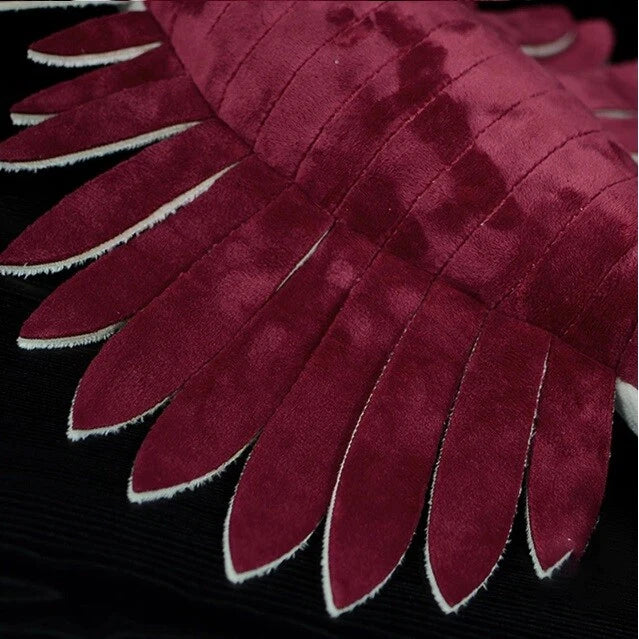
Anomalocaris wasn't just another sea creature. It was the largest animal of its era, a free-swimming hunter that patrolled the ocean floor with a pair of spiny, shovel-shaped claws used to grab and crush prey. As a Cambrian sea creature stuffed animal, this design captures that same commanding presence, segmented body, and those unmistakable curved grasping appendages that made the original animal so fearsome.
This extinct arthropod plush toy is more than a cute collectible. It's a tribute to one of the strangest and most important predators in the history of life on Earth, an ancient ocean predator plush that belongs on the shelf of anyone fascinated by deep time.
The Real History Behind Anomalocaris
The story of Anomalocaris is almost as wild as the creature itself. In 1892, a paleontologist named Joseph Whiteaves discovered an isolated fossil fragment and assumed it was the body of a strange, ancient shrimp. He named it Anomalocaris, meaning "abnormal shrimp." For nearly a century, that fragment was just one piece of an enormous unsolved puzzle. As a paleontology plush toy, this design owes its existence to that puzzle.
Other researchers kept digging up more pieces of the same animal without realizing it. A circular, plated mouth was mistaken for a jellyfish and given its own separate name. A body segment was classified as a type of sea cucumber. Scientists were unknowingly describing three or four different "species" that were actually all fragments of one single, giant predator.
It wasn't until the 1980s that paleontologists Harry Whittington and Derek Briggs, studying the famous Burgess Shale fossils in Canada, finally connected the pieces. The claws, the mouth, and the body all belonged to the same creature, a massive, free-swimming radiodont far bigger and stranger than anyone had guessed. This fossil-inspired stuffed animal is a nod to that moment of scientific discovery, when an "abnormal shrimp" turned out to be one of the true monsters of the Cambrian explosion.
That origin story has fueled Anomalocaris's ongoing popularity online. Paleoart creators, science communicators, and prehistoric-creature enthusiasts regularly resurface the tale of the misidentified fossil fragments, and Anomalocaris has become a recurring favorite in Cambrian explosion fan content alongside other early oddities. As a Cambrian explosion collectible, this plush taps directly into that ongoing fascination with early, ancient life.
Product Highlights
- Handmade Anomalocaris plush standing 53cm tall
- Soft, durable PP cotton filling for a huggable feel
- Stuffed and plush construction with careful hand-finished stitching
- Detailed shovel-shaped claws and segmented body inspired by the real radiodont plush anatomy
- A standout piece for any ancient sea predator stuffed toy or dinosaur-era collection
- Makes a thoughtful marine paleontology gift for science lovers, students, and collectors
Care Instructions
- Spot clean only with a damp cloth and mild soap
- Do not machine wash or tumble dry, as this can damage the plush shape and PP cotton filling
- Air dry fully in a shaded area away from direct sunlight
- Store in a dry place away from moisture to keep the plush toy fresh
- Avoid pulling on the claws or seams to preserve the handmade stitching
Size Guide
| Measurement | Detail |
|---|---|
| Height | 53cm |
| Filling | PP Cotton |
| Construction | Stuffed and Plush, Handmade |
Please note: as each Anomalocaris stuffed animal is handmade, slight variations in shape and finish may occur.
FAQ: The Real Story Behind Anomalocaris
Anomalocaris means "abnormal shrimp." The name was given in 1892 after a scientist found an isolated fossil fragment and mistook it for the body of a strange ancient shrimp. It wasn't until decades later that researchers realized this fragment was actually just one claw of a much larger, unrelated predator.
Because Anomalocaris had unusual, disconnected body parts that fossilized separately. Its claws were classified as a type of shrimp, its round mouthparts were mistaken for a jellyfish, and its body was thought to be a sea cucumber. Scientists in the 1980s finally pieced these fragments together and realized they all belonged to a single giant predator.
Estimates suggest Anomalocaris could grow to around one meter in length, making it enormous compared to nearly every other animal alive during the Cambrian period, when most creatures were only a few centimeters long.
Anomalocaris used its spiny, shovel-shaped claws to grab prey and its ring-shaped mouth to crush shells and soft-bodied animals. Its size and hunting adaptations make it one of the earliest known apex predators in the fossil record.
Despite its shrimp-inspired name, Anomalocaris is not a true crustacean. It belongs to a separate, extinct group called radiodonts, which sit near the base of the arthropod family tree, making it more of a distant evolutionary cousin than a direct relative of modern shrimp.


Frequently Bought Together
-
Cute Bee Capybara Plush Toy | Kawaii Stuffed Animal Room Decor | Handmade Plushie 23cm 33cm
Regular price From $52.95 AUDRegular priceUnit price per$0.00 AUDSale price From $52.95 AUD -
Creative Manta Ray Fish Cat Plush Soft Stuffed Throw Pillow Sofa Cushion Plush
Regular price $63.95 AUDRegular priceUnit price per$0.00 AUDSale price $63.95 AUD -
Hot Chocolate Plush 18cm Kawaii Cute Cocoa Stuffed Animal Handmade Food Plushie Gift
Regular price $52.95 AUDRegular priceUnit price per$0.00 AUDSale price $52.95 AUD -
Cute Pink Baby Panda Plush | Handmade Newborn Giant Panda Cub Stuffed Animal | 20cm & 30cm
Regular price From $52.95 AUDRegular priceUnit price per$0.00 AUDSale price From $52.95 AUD


Suggested Blog posts:
View all-

HOW To CLAIM All New HALLOWEEN ITEMS In The NEW...
The Dress To Impress Halloween update is delayed to October 17. See what is confirmed, how last year’s items were earned, and how to prepare.
HOW To CLAIM All New HALLOWEEN ITEMS In The NEW...
The Dress To Impress Halloween update is delayed to October 17. See what is confirmed, how last year’s items were earned, and how to prepare.
-

How to Get Free Duck-o-Lantern UGC: Family Zone...
Get the free Duck-o-Lantern UGC hat in Roblox. Find all 25 ducks in Family Zone, finish Duck Duck, and claim it before November 8, 2026.
How to Get Free Duck-o-Lantern UGC: Family Zone...
Get the free Duck-o-Lantern UGC hat in Roblox. Find all 25 ducks in Family Zone, finish Duck Duck, and claim it before November 8, 2026.
-

Play MapleStory Classic World Like a Pro: Best ...
Not sure which MapleStory Classic World class to pick? Compare Cleric, Spearman, Hermit and more, plus pro tips for launch week and the October 21 free launch.
Play MapleStory Classic World Like a Pro: Best ...
Not sure which MapleStory Classic World class to pick? Compare Cleric, Spearman, Hermit and more, plus pro tips for launch week and the October 21 free launch.
-

Best Free Indie Horror Games on Steam 2026, Ranked
The best free indie horror games on Steam in 2026, ranked by real ratings and review counts. Find your next scare without spending a cent.
Best Free Indie Horror Games on Steam 2026, Ranked
The best free indie horror games on Steam in 2026, ranked by real ratings and review counts. Find your next scare without spending a cent.


Verified Google Reviews
Hear It from Our Customers