


Sika Deer Plush Stuffed Animal Toy | Soft Deer Stuffed Toy in 30cm 60cm or 90cm | Cute Wildlife Deer Plush Gift
Sika Deer Plush Stuffed Animal Toy | Soft Deer Stuffed Toy in 30cm 60cm or 90cm | Cute Wildlife Deer Plush Gift
In stock
- Free Shipping
- 30 Days Return(T&C applies)
 Customer Support
Couldn't load pickup availability
Sika Deer Plush Stuffed Animal | Soft Deer Stuffed Toy Available in 30 cm, 60 cm and 90 cm
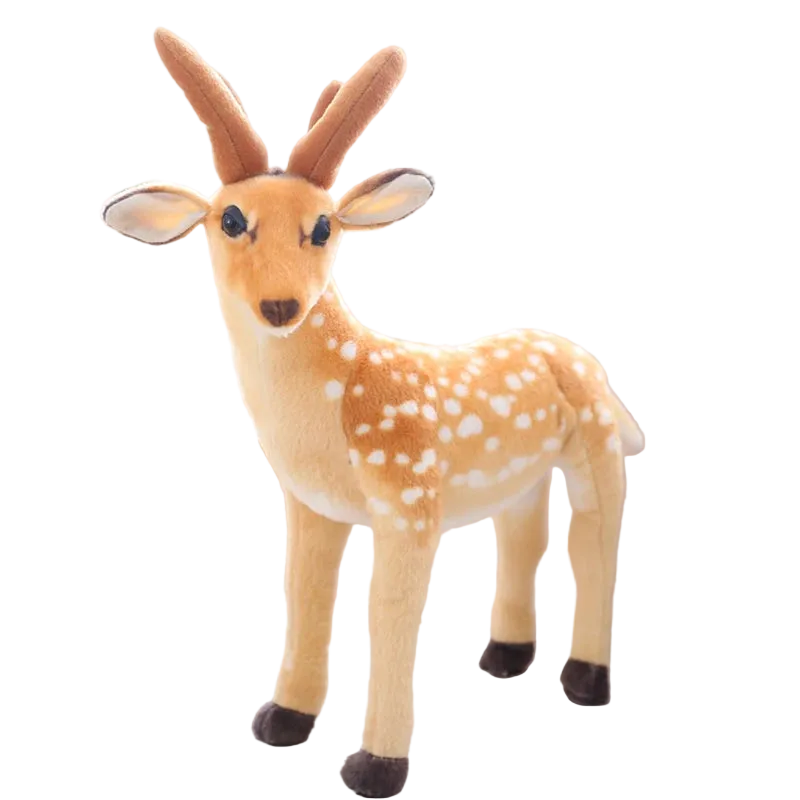
Bring home the gentle beauty of the wild with our adorable sika deer plush — a wonderfully soft and huggable deer stuffed toy crafted for children, collectors, and wildlife lovers alike. Inspired by one of the most iconic deer species in the world, this stuffed deer animal is made from premium cotton with a plush PP cotton fill that stays delightfully squishy hug after hug.
Available in three clearly defined heights, the deer plush suits every shelf, nursery, and lap. Whether you want a compact desk companion at 30 cm, a classic cuddle buddy at 60 cm, or a grand statement piece at 90 cm, there is a size made just for you.
Available Heights at a Glance
Desk and travel size
Classic cuddle size
Giant statement size
The Sika Deer: Japan's Sacred Forest Icon
The sika deer (Cervus nippon) is one of the most culturally beloved animals in the world. Native to East Asia, particularly Japan, China, and the Russian Far East, the sika deer is instantly recognizable by its spotted chestnut coat and calm, trusting temperament.
In Japan, sika deer have roamed the ancient city of Nara freely for over 1,200 years, considered sacred messengers of the Shinto gods. They shot to global fame when videos of them bowing to receive traditional deer crackers called shika senbei went viral, earning them the reputation of the world's most polite animals. Today, Japanese deer plush toys are among the most beloved cultural souvenirs worldwide, and our cute deer stuffed animal honors that beloved tradition by bringing the magic of the sika deer into your everyday life.
Product Highlights
- 🌾 Three Available Heights: Choose from 30 cm, 60 cm, or 90 cm to find the perfect size for display, gifting, or cuddling
- 🧸 Ultra Soft Material: Outer shell crafted from premium cotton fabric for a smooth and gentle feel that is easy on skin
- ✅ High Quality Fill: Stuffed with resilient PP cotton that holds its shape beautifully, making this plush deer toy as huggable on day 100 as day one
- 🎁 A Gift That Delights: An exceptional deer plush gift for birthdays, holidays, children, wildlife enthusiasts, and anime fans
- 🌿 Inspired by Nature: Designed after the graceful sika deer, celebrated across East Asian culture and adored worldwide as a symbol of gentleness
- 🌟 Doubles as a Pillow: The large 90 cm size works beautifully as a deer cuddle pillow for nap time, reading corners, or bedroom decor
- 🎓 Educational and Engaging: This animal plush toy introduces children to wildlife and Japanese culture in the most delightful way
- 📈 Collector Worthy: Detailed craftsmanship makes this sika deer plush a standout piece for plush collectors and nature lovers
Size Guide
All measurements listed below indicate the total standing height of the deer stuffed toy, measured from the base of the feet to the tip of the ears. Please select your preferred size at checkout.
| Size Label | Height (Metric) | Height (Imperial) | Recommended Use |
|---|---|---|---|
| Small | 30 cm | Approx. 12 inches | Desk display, travel companion, stocking stuffer, small gift |
| Medium | 60 cm | Approx. 24 inches | Kids cuddle toy, bedroom decoration, birthday present |
| Large | 90 cm | Approx. 35 inches | Giant hug pillow, room centerpiece, statement collector piece |
Note: Dimensions are measured from feet to ear tips. A variation of up to 2 cm may occur due to the handcrafted nature of each stuffed deer animal. The 90 cm large deer plush stands at approximately the height of a 3 to 4 year old child for easy reference.
Why You Will Love This Deer Plush
Finding a soft deer toy that is genuinely well made is harder than it sounds. This sika deer plush uses a dual layer cotton exterior that resists pilling and stays velvety soft wash after wash. The PP cotton filling is evenly distributed so there are no lumpy spots, giving the plush a full, satisfying shape whether it is sitting on a shelf or being clutched at bedtime.
The realistic deer coloring, expressive embroidered eyes, and carefully shaped ears and hooves make this deer stuffed toy stand apart from generic plush animals. It is equally at home as a centerpiece in a nature themed nursery, a cozy addition to a teen's bedroom, or a treasured piece in a serious animal plush toy collection. At 90 cm, it even serves as a luxurious deer cuddle pillow for movie nights and lazy afternoons.
Care Instructions
✍ How to Care for Your Deer Plush
- ✋ Hand Wash Only using mild soap and cool or lukewarm water
- 🚫 Do Not Machine Wash as agitation can damage the shape and fabric of this plush deer toy
- 🚫 Do Not Tumble Dry and do not wring out the plush; reshape gently and air dry flat in a shaded, ventilated area
- 🚫 Do Not Bleach as bleaching agents will permanently damage the cotton material
- 🌡 Avoid Prolonged Direct Sunlight to prevent fading of the fabric on your soft deer toy
- 🧱 Spot Cleaning with a damp cloth and gentle soap is ideal for minor marks on your deer stuffed toy
- 🚹 Storage Tip: Store in a breathable cotton bag rather than an airtight container to keep the fill fresh and fluffy
FAQ: Sika Deer Facts, Culture and Trends
The bowing behavior seen in the sika deer of Nara Park is a learned, conditioned response built up over centuries of interaction with humans rather than a natural instinct. Tourists purchase special rice bran crackers called shika senbei from park vendors, and over generations the deer discovered that dipping their heads before a visitor would prompt the offering of food. Humans naturally bow back as a social reflex, which completes a charming exchange. Footage of this bowing ritual went massively viral across social media platforms around 2018 to 2019, turning the sika deer of Nara into global celebrities. The deer of Nara Park are registered as National Natural Monuments of Japan and have wandered freely through the city since the 8th century CE, protected under Shinto religious law.
The conservation status of sika deer varies significantly across subspecies and geographic regions. The species overall (Cervus nippon) is classified as Least Concern by the IUCN because populations in Japan, parts of Europe where they were introduced, and certain regions of China remain healthy and stable on their own. However, specific subspecies tell a more urgent story. The North China sika deer and the Shanxi sika deer are considered functionally extinct in the wild, surviving only in small managed reserves. In contrast, populations in Hokkaido, Japan, have grown substantially and require active management to prevent overgrazing of native forests. Conservation programs in Russia and China are working to restore wild populations of the rarer subspecies through habitat protection and captive breeding. The global fascination with these animals, amplified by the popularity of Japanese deer plush collectibles and wildlife tourism in Nara, has contributed meaningfully to public awareness of sika deer conservation needs.
Sika deer are highly adaptable grazers and browsers whose diet shifts with the seasons. During spring and summer they primarily feed on grasses, sedges, flowering herbs, and the tender new growth of shrubs and trees. As autumn arrives they shift toward fallen leaves, acorns, bark, and agricultural crops where available. In coastal areas of Japan, sika deer have even been documented eating seaweed during low tide, which is unusual behavior for a deer species. The famous Nara sika deer supplement their natural diet with shika senbei crackers provided by tourists, though park authorities discourage offering other human foods as they can cause digestive problems. Sika deer are crepuscular, meaning they are most active in the hours around dawn and dusk. Their foraging habits can have significant ecological effects, particularly in regions of Europe and North America where they were introduced and lack natural predators.
In Shinto, the indigenous spiritual tradition of Japan, sika deer are venerated as divine messengers known as tsukai. According to the founding legend of Kasuga Grand Shrine in Nara, the deity Takemikazuchi no Mikoto arrived in the region riding a white sika deer, and from that moment the animals were placed under sacred protection. Under historical Japanese law, killing a sika deer in Nara was once punishable by death, a rule that remained in effect until the Meiji era. The deer appear throughout centuries of Japanese art, ceramics, painted screens, and seasonal festivals as symbols of grace, longevity, and divine favor. This deep spiritual heritage is precisely why deer themed souvenirs and Japanese deer plush toys are so prominent across Nara and beyond. The cute deer stuffed animal tradition in Japan is inseparable from this centuries old reverence for the sika deer as a living link between the human world and the divine.
Sika deer and white tailed deer are two entirely distinct species with several clear differences. Sika deer (Cervus nippon) originate from East Asia and are medium in size, typically weighing between 40 and 70 kg. They retain their spotted chestnut coat into adulthood, which is unique among deer species where spots usually fade after childhood. White tailed deer (Odocoileus virginianus) are native to the Americas, grow considerably larger at 50 to 130 kg, and have a uniform tan or reddish brown coat as adults with no visible spots. The defining visual difference is the tail: white tailed deer raise a bright white underside tail as an alarm signal, while sika deer have a distinctive white rump patch instead. Behaviorally, sika deer are notably more vocal, producing haunting whistles, barks, and high pitched screams, whereas white tailed deer communicate primarily through scent glands and body posture. Both species have inspired devoted fan communities and a thriving market for deer plush collectibles and deer stuffed toys around the world.


Frequently Bought Together
-
Two Headed Monster Plush 30cm | Turtle Chameleon Dual Mascot | Fan Made Mascot Horror Game Stuffed Animal Collectible
Regular price $53.95 AUDRegular priceUnit price per -
Smiling Monstera Plant Plush 42cm | Cute Potted Houseplant Stuffed Toy | Plant Lover Gift
Regular price $57.25 AUDRegular priceUnit price per -
Halloween Witch Hat Owl Plush | Cute Spooky Owl Stuffed Animal | Wizard Hat Handmade Plush Decor
Regular price From $47.25 AUDRegular priceUnit price per -
Happy Beach Volleyball Mini Plushie Charm — Cute Volleyball Plush Bag Charm & Key Ring | Sports Bag Decor
Regular price $47.25 AUDRegular priceUnit price per$0.00 AUDSale price $47.25 AUD


Suggested Blog posts:
View all-

BART Anime Festival 2026: Epic Cosplays & Panel...
Missed the 2026 BART Anime Festival? Dive into our complete recap featuring the most jaw-dropping cosplays, industry panel secrets, and otaku highlights!
BART Anime Festival 2026: Epic Cosplays & Panel...
Missed the 2026 BART Anime Festival? Dive into our complete recap featuring the most jaw-dropping cosplays, industry panel secrets, and otaku highlights!
-

How to Draw Anime Nose Types: Cute, Realistic, ...
Master how to draw anime noses from front and side profiles. Learn the secrets behind cute chibi dots, classic Shonen shadows, and realistic Seinen noses.
How to Draw Anime Nose Types: Cute, Realistic, ...
Master how to draw anime noses from front and side profiles. Learn the secrets behind cute chibi dots, classic Shonen shadows, and realistic Seinen noses.
-

How to Get the Dominus R20 Crown Free in The Hu...
What is the Dominus R20 in Roblox? It's the Golden Rivals Domino Crown — free in The Hunt Roblox 20. Get it before September 28, 2026 with this step-by-step guide.
How to Get the Dominus R20 Crown Free in The Hu...
What is the Dominus R20 in Roblox? It's the Golden Rivals Domino Crown — free in The Hunt Roblox 20. Get it before September 28, 2026 with this step-by-step guide.
-

Swing For Eggs Roblox Guide: All Eggs, How to B...
Complete Swing For Eggs Roblox guide — all speed thresholds, every enemy, all eggs and hatch times, suits ranked, passive income per pet, and codes updated September 2026.
Swing For Eggs Roblox Guide: All Eggs, How to B...
Complete Swing For Eggs Roblox guide — all speed thresholds, every enemy, all eggs and hatch times, suits ranked, passive income per pet, and codes updated September 2026.


Verified Google Reviews
Hear It from Our Customers